Quick Answer
Pipes can freeze when temperatures drop below 32°F / 0°C, especially in unheated or poorly insulated areas such as basements, crawl spaces, garages, attics, exterior walls, cabins, mobile homes, and outdoor utility spaces.
To reduce freeze risk, seal cold-air gaps, disconnect outdoor hoses, insulate exposed pipes, keep vulnerable faucets dripping during severe cold, and use pipe heating cable where insulation alone may not be enough. If a pipe is already frozen, thaw it slowly with safe heat sources and never use an open flame.
Frozen pipes are one of the most stressful winter plumbing problems for homeowners. When water freezes inside a pipe, it expands and creates pressure inside the plumbing system. In some cases, that pressure can crack fittings, split pipe sections, or lead to major water damage after the ice thaws.
The good news is that many frozen pipe problems can be reduced with preparation before cold weather arrives. This guide explains why pipes freeze, how to prevent freezing, how to recognize a frozen pipe, and how to thaw it more safely.
Why Do Pipes Freeze?
Pipes freeze when the water inside them drops below the freezing point. As water turns into ice, it expands. That expansion can create pressure inside the pipe, especially when ice blocks the line and water has nowhere to move.
The highest-risk areas are usually places where pipes are exposed to cold air or have little insulation.
Important: a pipe does not need to burst while it is frozen. Damage may become visible only after the pipe thaws and water starts flowing again.
How to Prevent Frozen Pipes
Frozen pipe prevention is about reducing cold exposure, protecting vulnerable sections, and keeping water moving during severe cold snaps.
1. Seal Cold-Air Entry Points
Cold air entering through cracks, holes, rim joists, wall penetrations, crawl space gaps, or utility openings can quickly chill nearby pipes.
Homeowner tip: even a small draft can freeze a vulnerable pipe during extreme cold, especially in a garage, crawl space, or exterior wall cavity.
2. Winterize Outdoor Faucets
Outdoor faucets and hose bibs are often the first plumbing points to freeze because they are directly exposed to winter air.
For outdoor or exposed water lines that remain in use during winter, insulation alone may not be enough. A pipe heating cable may be needed for active freeze protection.
3. Be Careful With Antifreeze
Do not add antifreeze to water supply lines. For swimming pool, sprinkler, RV, or seasonal systems, only use antifreeze if the system instructions specifically allow it and the product is designed for that application.
Safety note: some antifreeze products can be harmful to people, pets, wildlife, plants, or the environment. Always follow the system manufacturer’s guidance and product label.
4. Let Vulnerable Faucets Drip During Severe Cold
During a hard freeze, allowing a faucet connected to a vulnerable pipe to drip slightly can help keep water moving. Moving water is less likely to freeze than standing water, and an open faucet can also help relieve pressure inside the line.
5. Insulate Pipes in Cold Areas
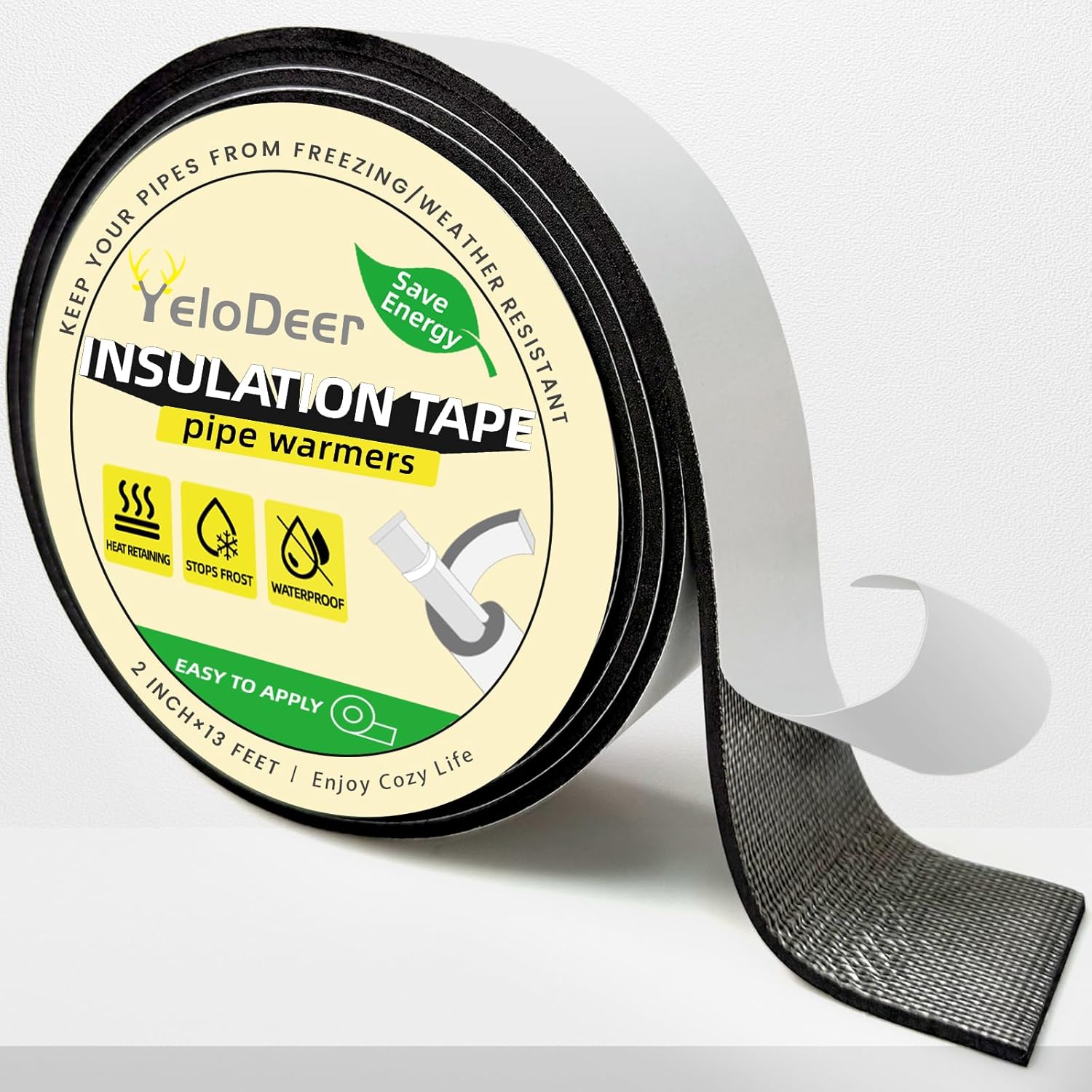
Pipe insulation helps slow heat loss from the pipe. It is especially useful in basements, attics, garages, crawl spaces, well houses, mobile homes, cabins, and outdoor utility areas.
However, insulation does not create heat. If the surrounding area stays below freezing long enough, insulation alone may not prevent freezing.
YeloDeer Pipe Freeze Protection Options
For exposed and accessible pipes, an external pipe heating cable can help reduce freeze risk. For buried, hidden, or hard-to-access compatible water lines, an in-pipe heating cable may be a better fit.
Explore External Pipe Heating Cables Explore In-Pipe Heating CablesExternal Heat Cable vs. In-Pipe Heating Cable
YeloDeer offers different pipe heating solutions because pipe freeze problems are not all the same. The right choice depends on whether the pipe is accessible from the outside.
| Product Type | Where It Installs | Best For |
| External Pipe Heating Cable | Wrapped or run along the outside of the pipe. | Exposed pipes in garages, basements, crawl spaces, outdoor faucets, sheds, and accessible water lines. |
| In-Pipe Heating Cable | Inserted inside a compatible water line through a suitable fitting. | Buried, wall-encased, or hard-to-access water lines where external wrapping is not practical. |
| Pipe Heat Tape Thermostat | Controls power based on temperature sensing. | Reducing unnecessary runtime and improving freeze protection management where compatible. |
Recommended YeloDeer Products
Choose the product that matches your pipe location, pipe material, length, power access, and freeze risk.
Shop External Pipe Heat Cable Shop In-Pipe Heating Cable Shop Pipe Heat Tape ThermostatHow to Tell If Your Pipes Are Frozen
Frozen pipes are not always visible. Watch for these signs during or after a cold snap.
Act early: if you suspect a pipe is frozen, shut off nearby water if needed, open the faucet, and begin safe thawing before pressure builds further.
How to Thaw Frozen Pipes Safely
If you discover a frozen pipe, act carefully. The goal is to thaw the pipe gradually while reducing pressure and watching for leaks.
Never use an open flame. Do not use a blowtorch, propane torch, charcoal heater, or any flame-based method to thaw pipes. These methods can start a fire, damage pipe materials, or create serious safety risks.
Safe Heat Sources for Thawing Pipes
Use gentle, controlled heat when thawing frozen pipes.
| Heat Source | How to Use It | Safety Note |
| Hair Dryer | Move warm air along the pipe slowly, starting near the faucet. | Keep away from standing water and use a GFCI-protected outlet where required. |
| Heating Pad | Wrap around the exposed frozen pipe section. | Use only according to the heating pad instructions and do not leave unattended. |
| Warm Towels | Wrap hot-water-soaked towels around the pipe and replace as they cool. | A slower but lower-risk method for accessible pipes. |
| Space Heater | Warm the surrounding area from a safe distance. | Keep away from flammable materials and never use in unsafe or wet areas. |
What If the Frozen Pipe Is Behind a Wall?
If the frozen section is behind a wall, under a floor, or in another inaccessible location, start by warming the room and opening cabinet doors so warmer air can reach the plumbing area.
In difficult cases, access may need to be created so the pipe can be thawed and inspected directly. If you are not sure where the pipe is frozen or whether it has burst, call a plumber.
Do not guess with hidden plumbing. A frozen pipe behind a wall may already be damaged. Watch for stains, swelling drywall, wet flooring, or sudden pressure changes after thawing.
After Thawing: Check for Leaks and Damage
Once water starts flowing again, inspect the pipe system carefully. A burst pipe may not leak heavily until the ice blockage melts and water pressure returns.
Common Mistakes to Avoid
FAQ
At what temperature do pipes freeze?
Water freezes at 32°F / 0°C, but pipe freeze risk depends on exposure, insulation, wind, pipe material, water movement, and how long the temperature remains below freezing.
Which pipes are most likely to freeze?
Pipes in exterior walls, crawl spaces, garages, attics, basements, sheds, well houses, mobile homes, cabins, and outdoor utility areas are at higher risk.
Does pipe insulation prevent freezing?
Pipe insulation helps slow heat loss, but it does not create heat. In long or severe cold conditions, exposed pipes may still need active heat protection such as a pipe heating cable.
Should I let faucets drip in freezing weather?
During severe cold, a slow drip can help keep water moving and relieve pressure in vulnerable pipes. It is a temporary measure, not a substitute for insulation or heat cable in high-risk areas.
Can I use heat tape to prevent frozen pipes?
Yes, external pipe heating cable can help reduce freeze risk on accessible pipes when properly selected, installed, insulated, and powered according to the product instructions.
When should I use in-pipe heating cable?
In-pipe heating cable may be useful for compatible buried, hidden, or hard-to-access water lines where external wrapping is not practical. Confirm pipe size, water use, pressure, and installation requirements before purchase.
How do I thaw a frozen pipe?
Open the faucet, apply safe heat with a hair dryer, heating pad, warm towels, or a space heater, and work gradually from the faucet toward the frozen section. Never use an open flame.
What should I do if a pipe bursts?
Shut off the main water supply immediately, turn off power in affected wet areas if safe to do so, contain water damage, and call a professional plumber.
The Bottom Line
Frozen pipes happen when water inside a pipe drops below freezing and expands. The highest-risk areas are unheated, poorly insulated, or exposed spaces such as crawl spaces, garages, exterior walls, outdoor faucets, cabins, and mobile homes.
To reduce freeze risk, seal cold-air leaks, winterize outdoor faucets, insulate pipes, keep vulnerable faucets dripping during severe cold, and use external or in-pipe heating cable where active protection is needed.
If a pipe is already frozen, open the faucet, apply gentle heat, avoid open flames, and check carefully for leaks after water flow returns.
Protect Your Pipes Before the Next Freeze
Need help choosing pipe heating cable, in-pipe heating cable, thermostat control, or insulation support? Share your pipe material, pipe size, pipe length, installation location, photos, and winter temperature range. The YeloDeer team can help review a suitable freeze protection setup.
Shop External Pipe Heating Cables Shop In-Pipe Heating Cables Shop Pipe Heat Tape Thermostat Request Project Support