
In-Pipe Heating Cable for 3/4 in+ Water Supply Lines — T-Fitting (IPHC-T)
Enjoy free shipping on orders over $30.
We ship orders within 48 hours for quick delivery.
1. Our website accepts Visa, MasterCard, and American Express. If you are using a card issued by another bank, please ensure it is enabled for international transactions.
2. During payment, you may be required to complete 3D Secure (3DS) verification. Please ensure that the cardholder completes the verification to avoid payment failure.
3. If your usual spending amounts are relatively low and you are making a larger purchase, your bank may flag the transaction as a potential risk. If your payment fails, please contact your bank to approve the transaction.
Enjoy exclusive technology designed to enhance performance and reliability, protected by YeloDeer's unique patent.
In-Pipe Heating Cable for 3/4 in+ Water Supply Lines — T-Fitting (IPHC-T)

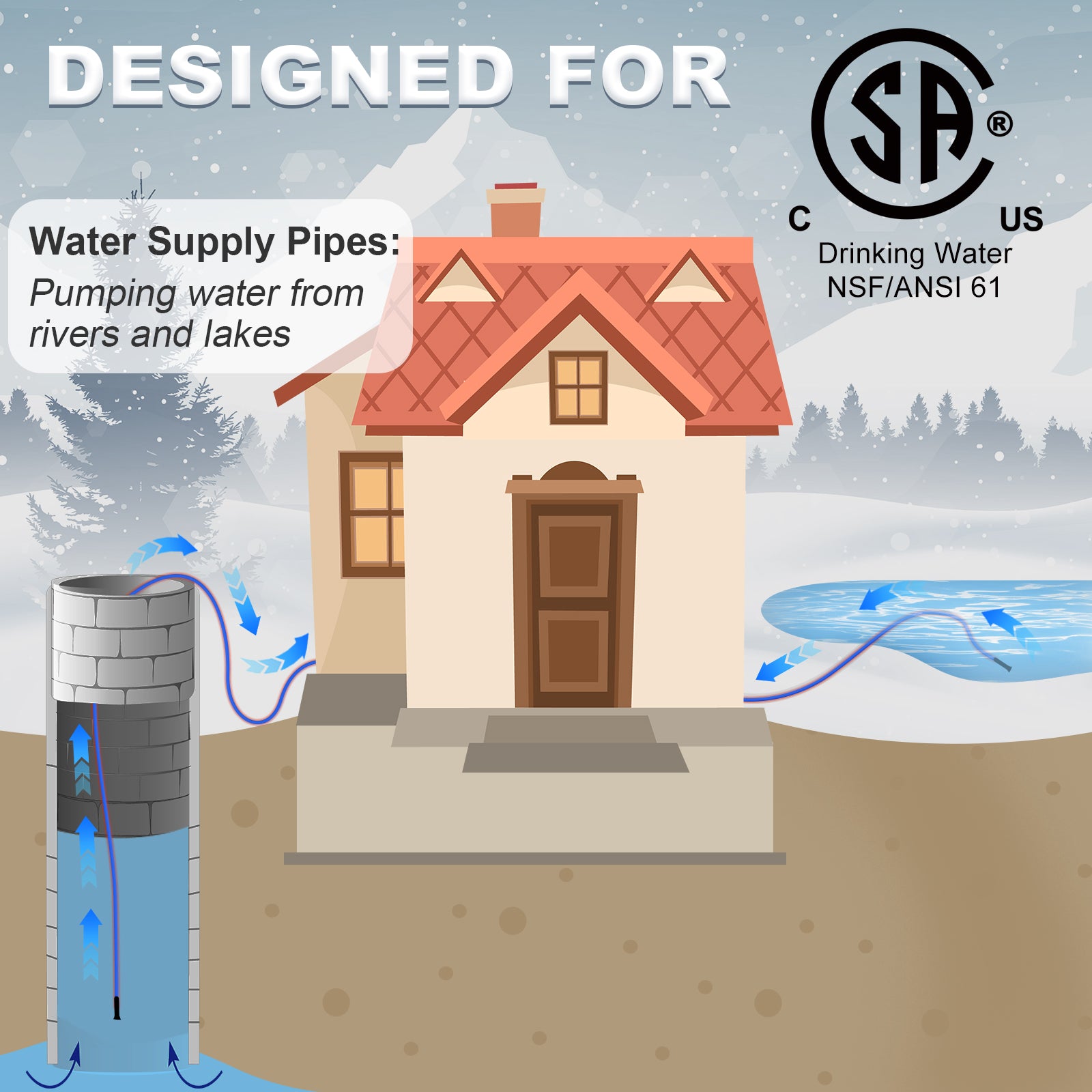
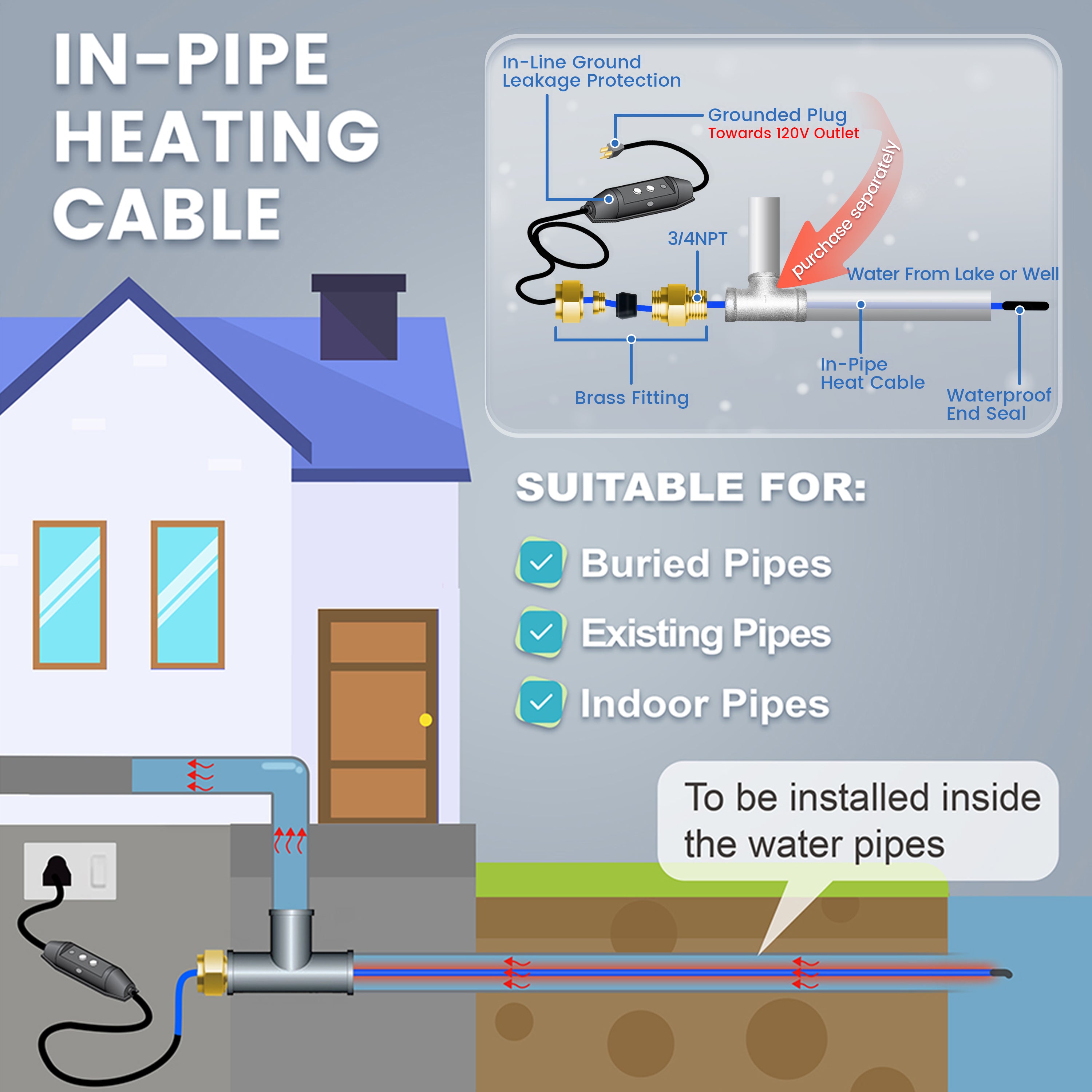
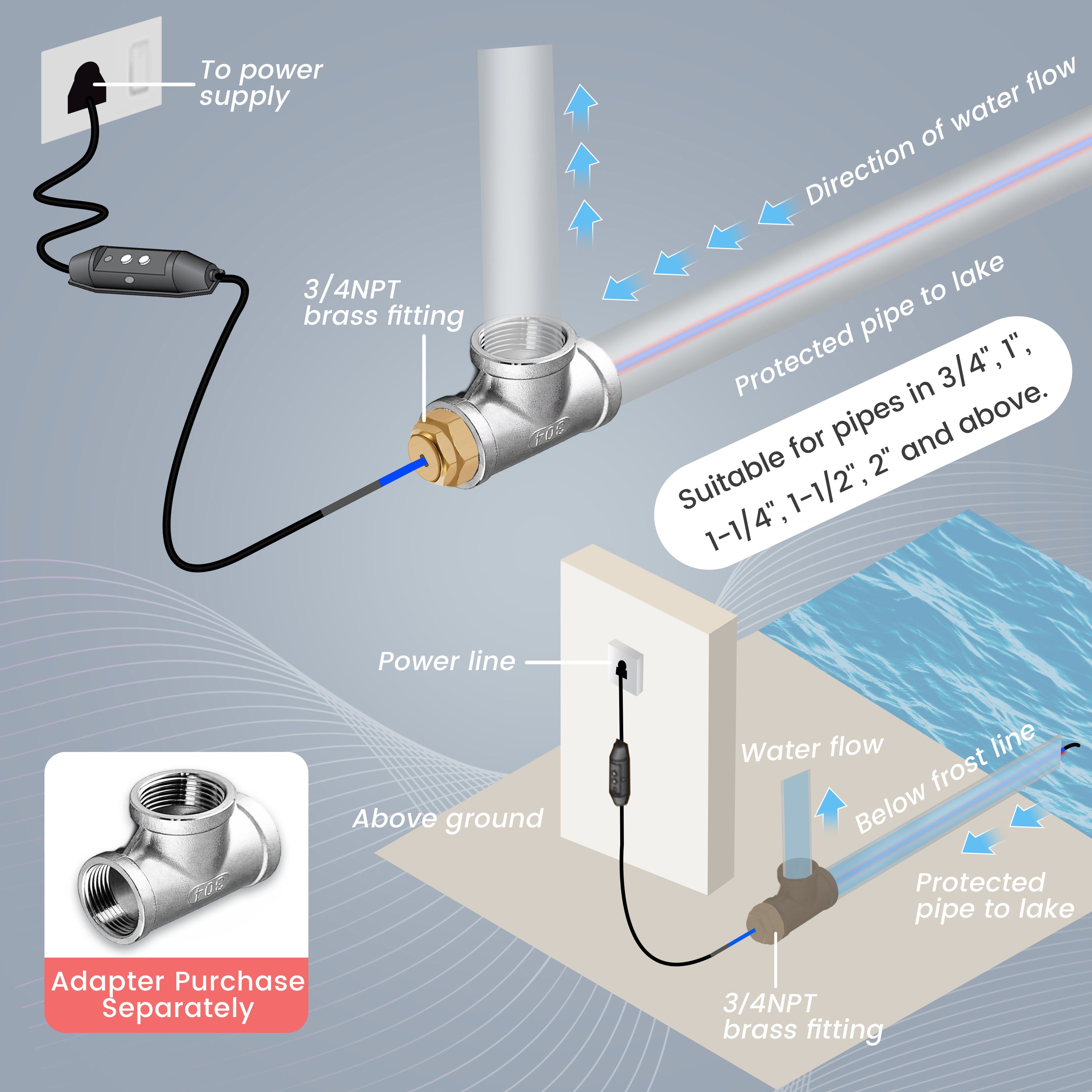
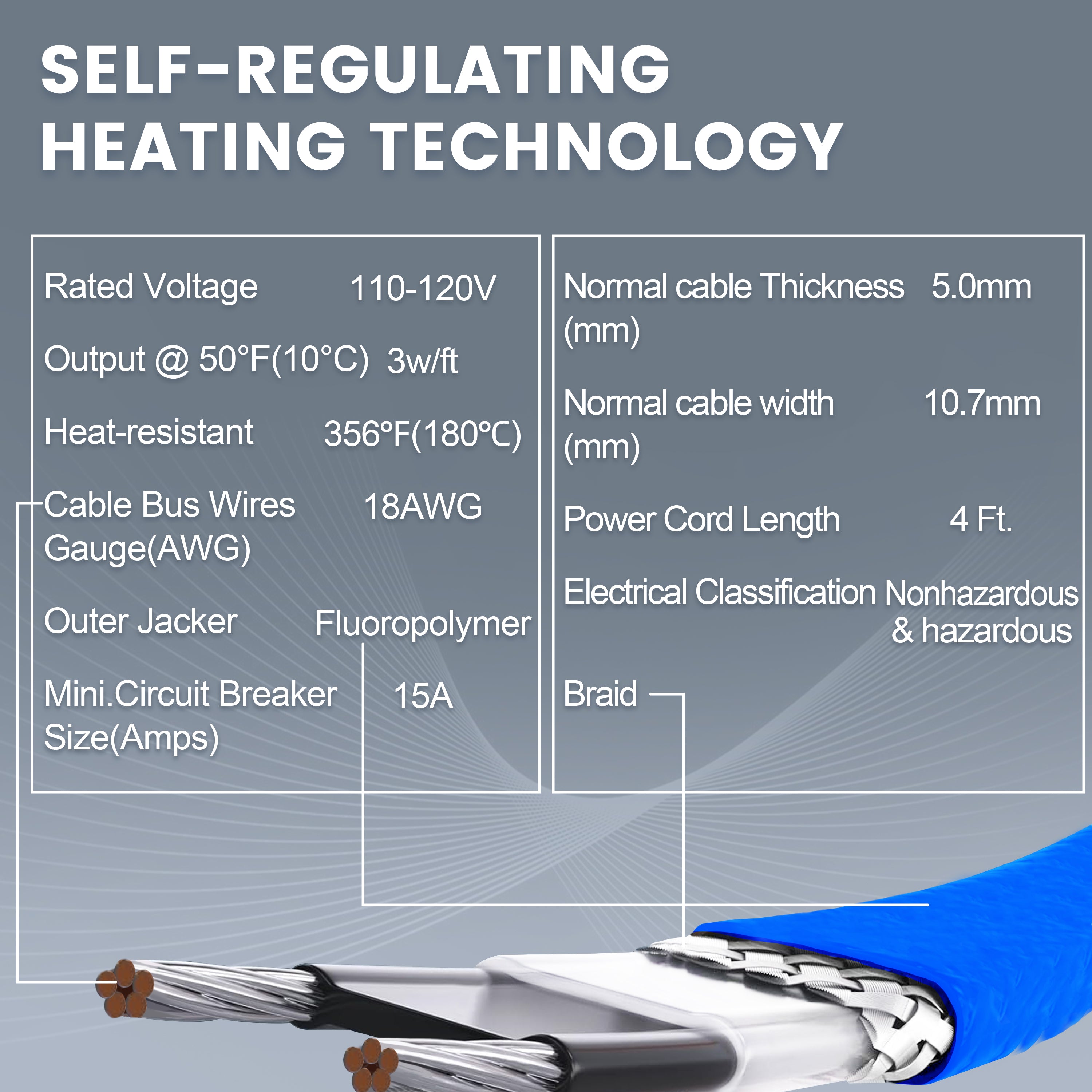

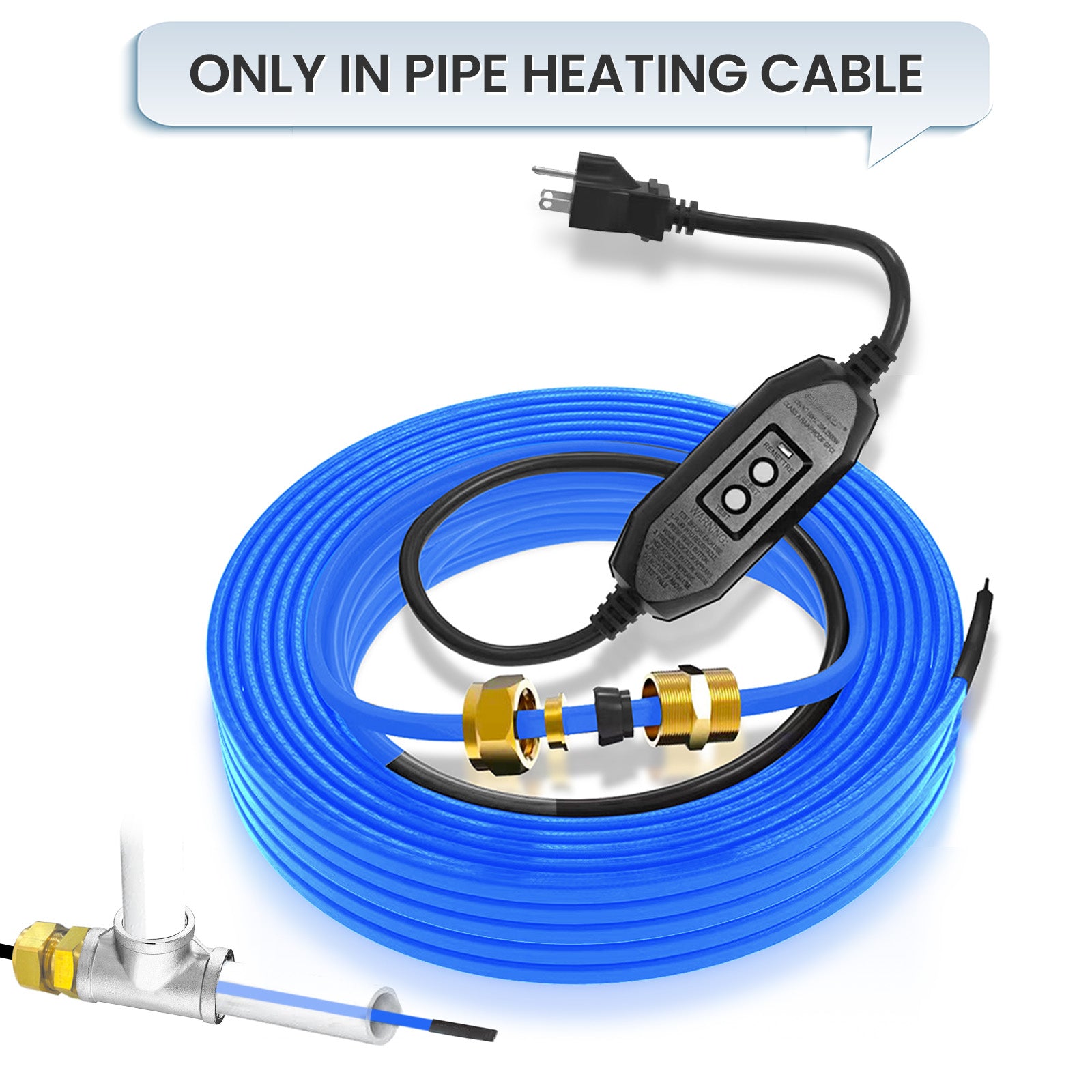
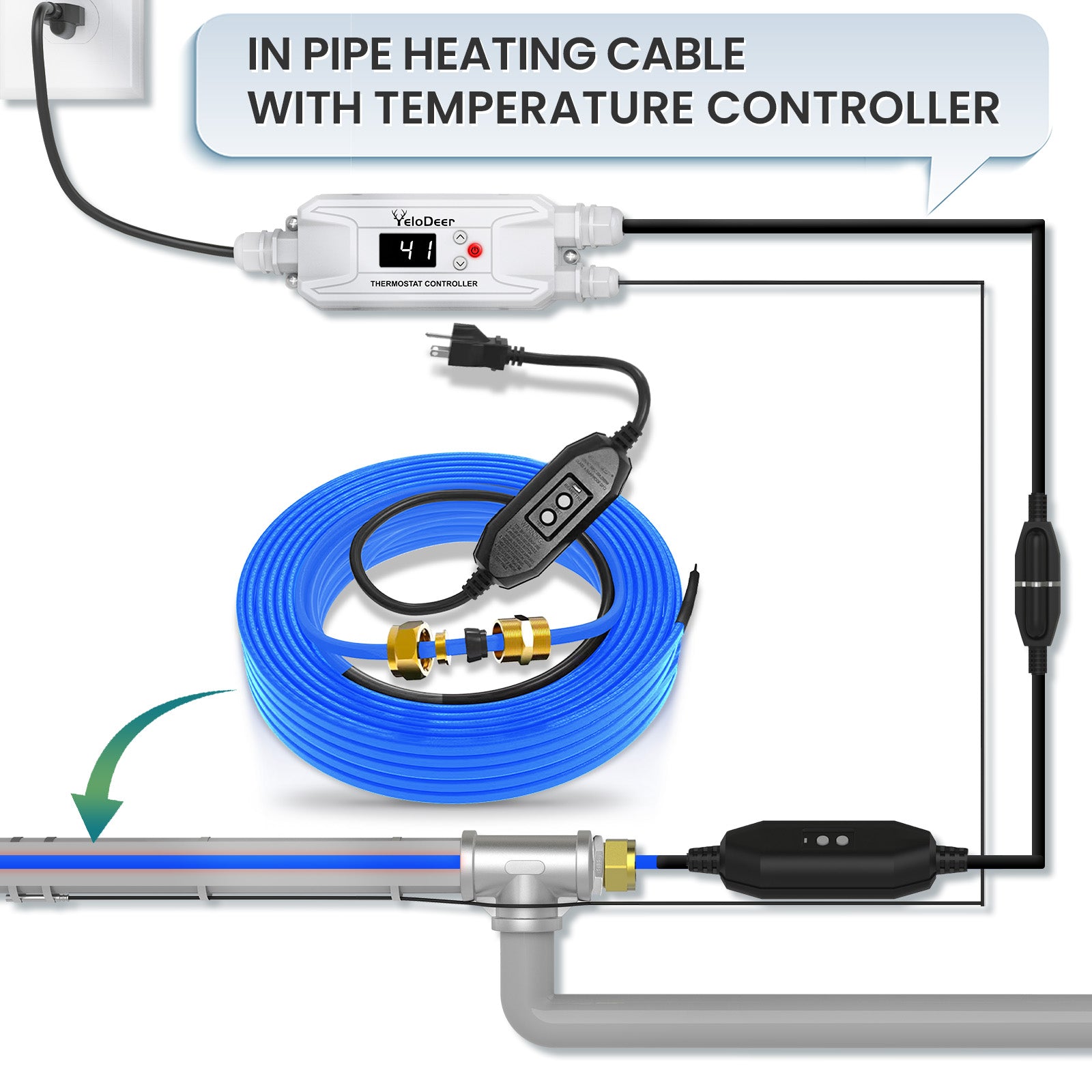
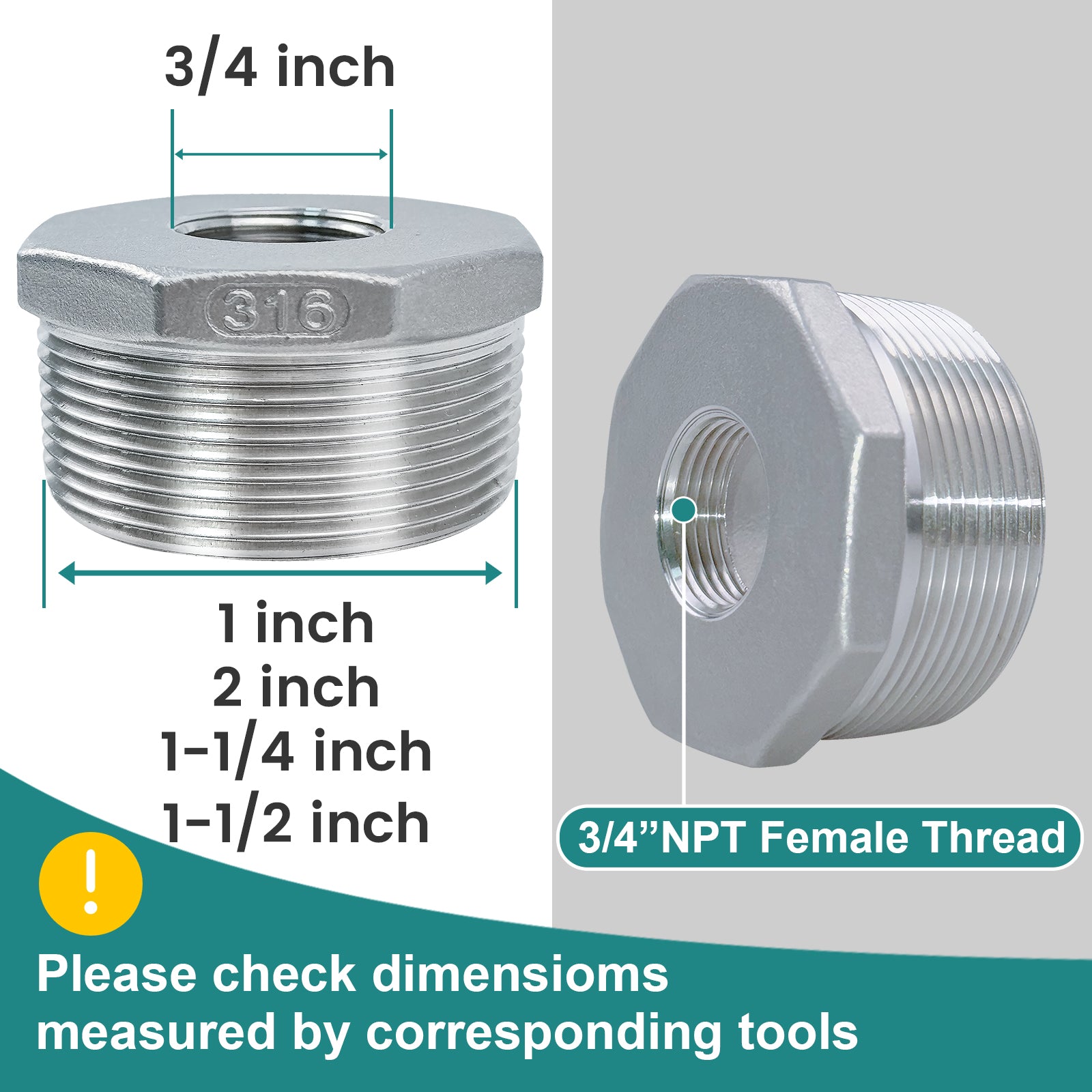
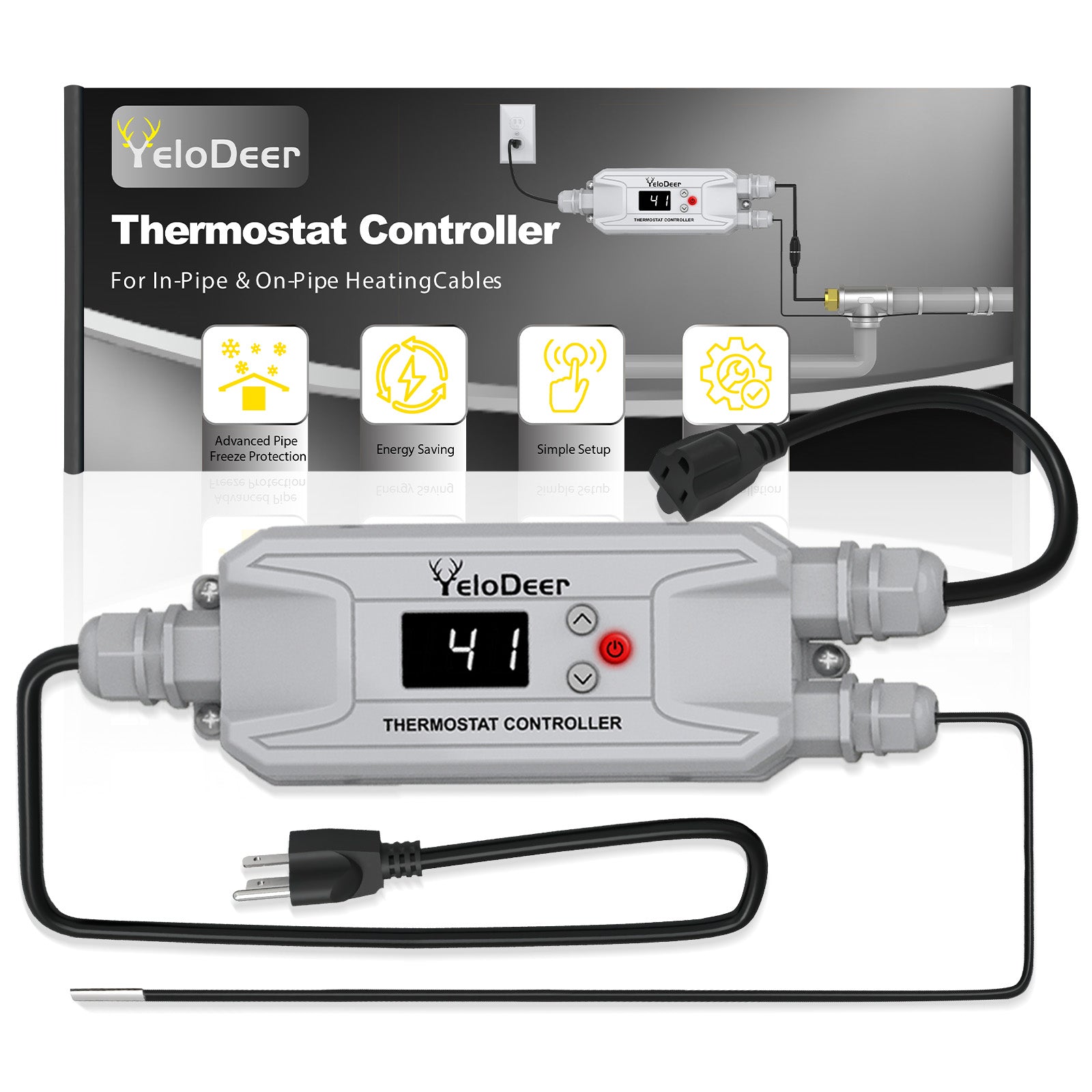


 The YeloDeer IPHC-T is a self-regulating in-pipe heating cable for freeze protection inside pressurized water supply lines. It is built for cabins, wells, farms, seasonal homes, and other water lines that are buried, exposed, or difficult to heat from the outside.


Can You Use the Same In-Pipe Heating Cable for Water Supply and Drain Lines?
Learn why water supply and drain lines need different in-pipe heating cable entry and sealing systems before you choose.
Read more
Can You Put Heat Cable Inside Any Pipe? How to Choose the Right Type
Match pipe use, pressure, diameter, access, and fittings to the right external, potable in-pipe, or in-drain cable.
Read more
Does an In-Pipe Heating Cable Need a Thermostat? Cable Only vs Controller Kit Explained
Should you choose an in-pipe heating cable alone or a thermostat kit? This guide explains how self-regulating heat cable works, whether it turns off automatically, and when a controller can...
Read more
The 2026 Climate Challenge for Modern Agriculture
Ensure 24/7 water availability for your livestock with YeloDeer's professional internal pipe heating solutions. Designed for thermal efficiency and animal safety, our in-pipe cables offer a robust, energy-saving alternative to...
Read more
How to Prevent Frozen Water Lines: A Complete Guide to YeloDeer Y-In-Pipe Heating Cable Installation
Learn how to install the YeloDeer Y-In-Pipe Heating Cable to protect your water lines from extreme freezing. Featuring a professional walkthrough by Josh Teshner of Teschner Homes, this guide covers...
Read more
Top 6 Reasons Your In-Pipe Heating Cable Might Leak (and How to Prevent It)
Six common causes of leaks in in-pipe heating cables, and provides response and prevention tips.
Read more
GFCI Plugs: Effective Safety Protection for In-Pipe Heating Cables
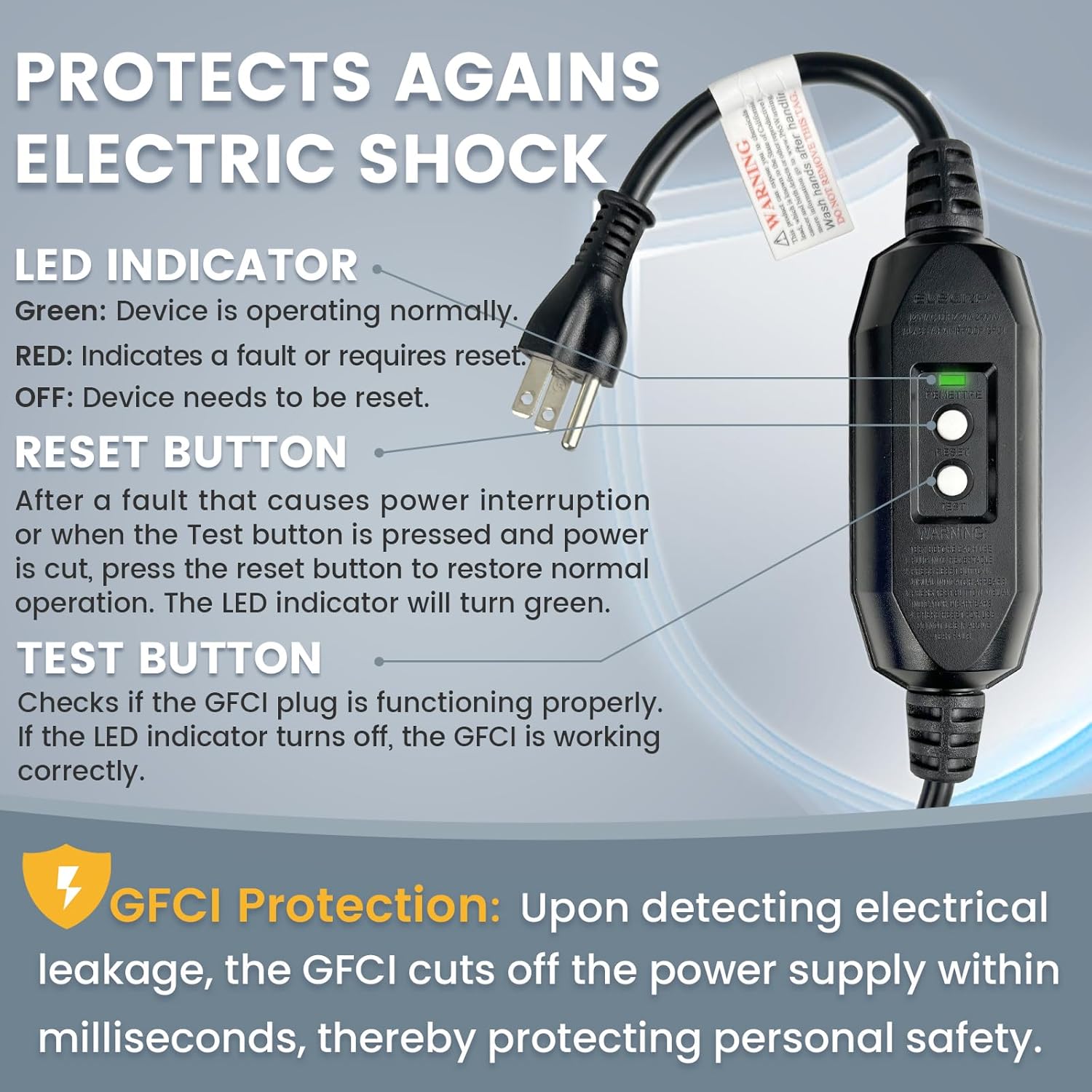
GFCI plugs are vital safety devices designed to prevent electrical shocks by interrupting power when they detect current leakage. These plugs are essential in wet areas, significantly reducing the risk...
Read more
In-Pipe Heating Cable Comparison: YeloDeer vs. Retro-Line® vs. EasyHeat™ ILH
This review compares the YeloDeer in-pipe heating cable, Retro-Line®, and EasyHeat™ ILH. Key features, flexibility, and pricing are compared to guide informed decisions.
Read more
How to Connect the Brass Fitting to Your T-Fitting | In-Line Heating Cable Installation
Learn how to easily connect the brass fitting to your T-fitting for a seamless in-line heating cable installation in just 5 steps. Follow this guide for a secure and efficient...
Read more
Installation Guidelines for In-Pipe Heating Cable
Before installation, measure pipe length, check for sharp bends, and ensure the pipe diameter is over 3/4''. During installation, protect the cable’s outer jacket, purchase a separate T-fitting for non-standard...
Read more