Quick Answer
On-pipe heating cable is installed on the outside of an accessible pipe and is usually the simpler choice for garages, basements, crawl spaces, outdoor faucets, and exposed water lines.
In-pipe heating cable is installed inside a compatible water pipe and is often used when the vulnerable pipe section is buried, hidden, already insulated, or difficult to reach from the outside. The right choice depends on pipe access, water use, pipe size, installation difficulty, insulation, and freeze risk.
When protecting water pipes from freezing, many homeowners first ask, “Should I use heat tape on the outside of the pipe, or should I install a heating cable inside the pipe?”
Both methods can help reduce freeze risk when properly selected and installed, but they are designed for different situations. The best choice depends on whether the pipe is accessible, whether it carries potable water, how cold the environment gets, and how much installation work is acceptable.
What Is On-Pipe Heating Cable?
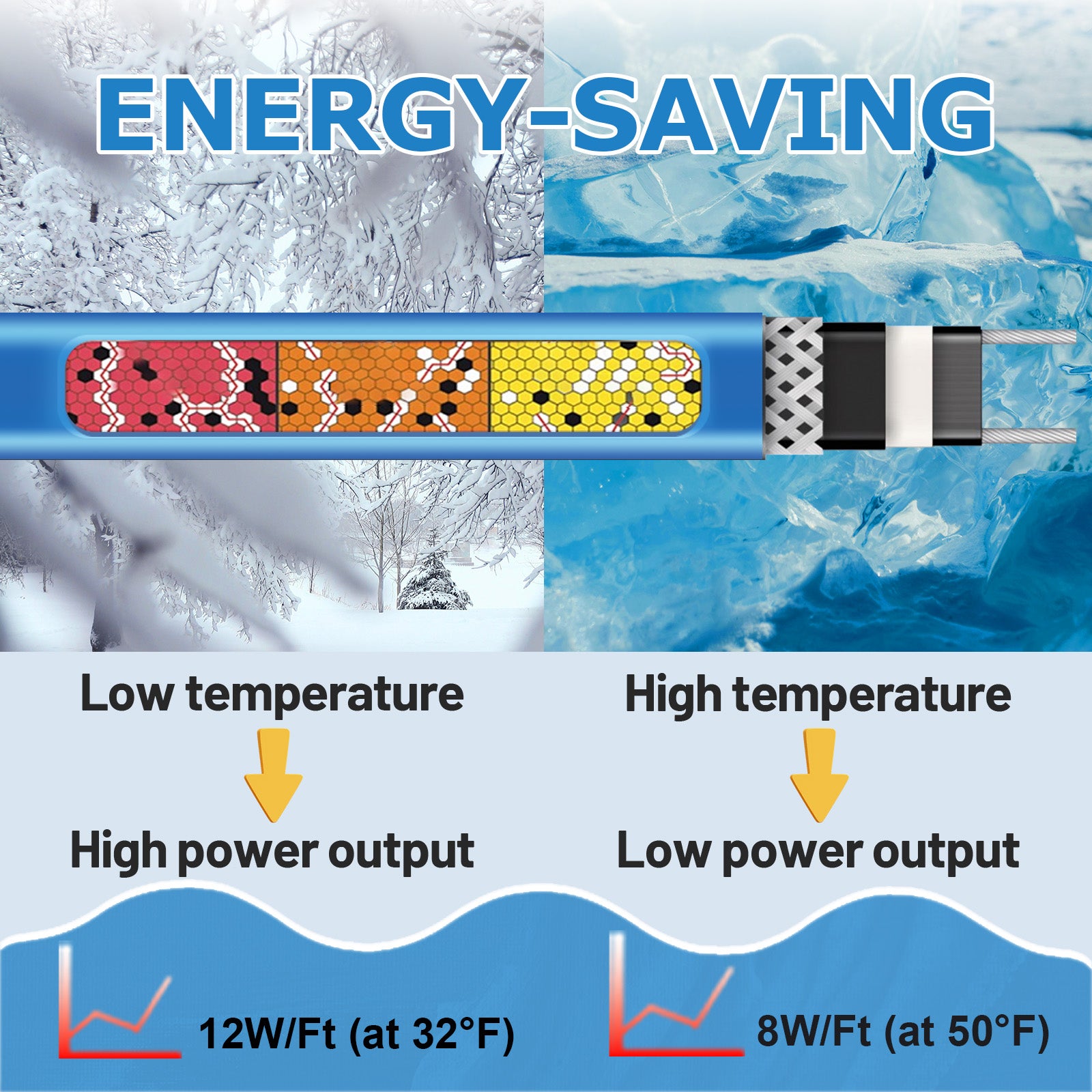
On-pipe heating cable, also called external pipe heat tape, is installed on the outside surface of a pipe. It is usually wrapped around the pipe or run straight along the pipe, then covered with suitable pipe insulation.
This is often the most practical option when the pipe is visible and easy to reach.
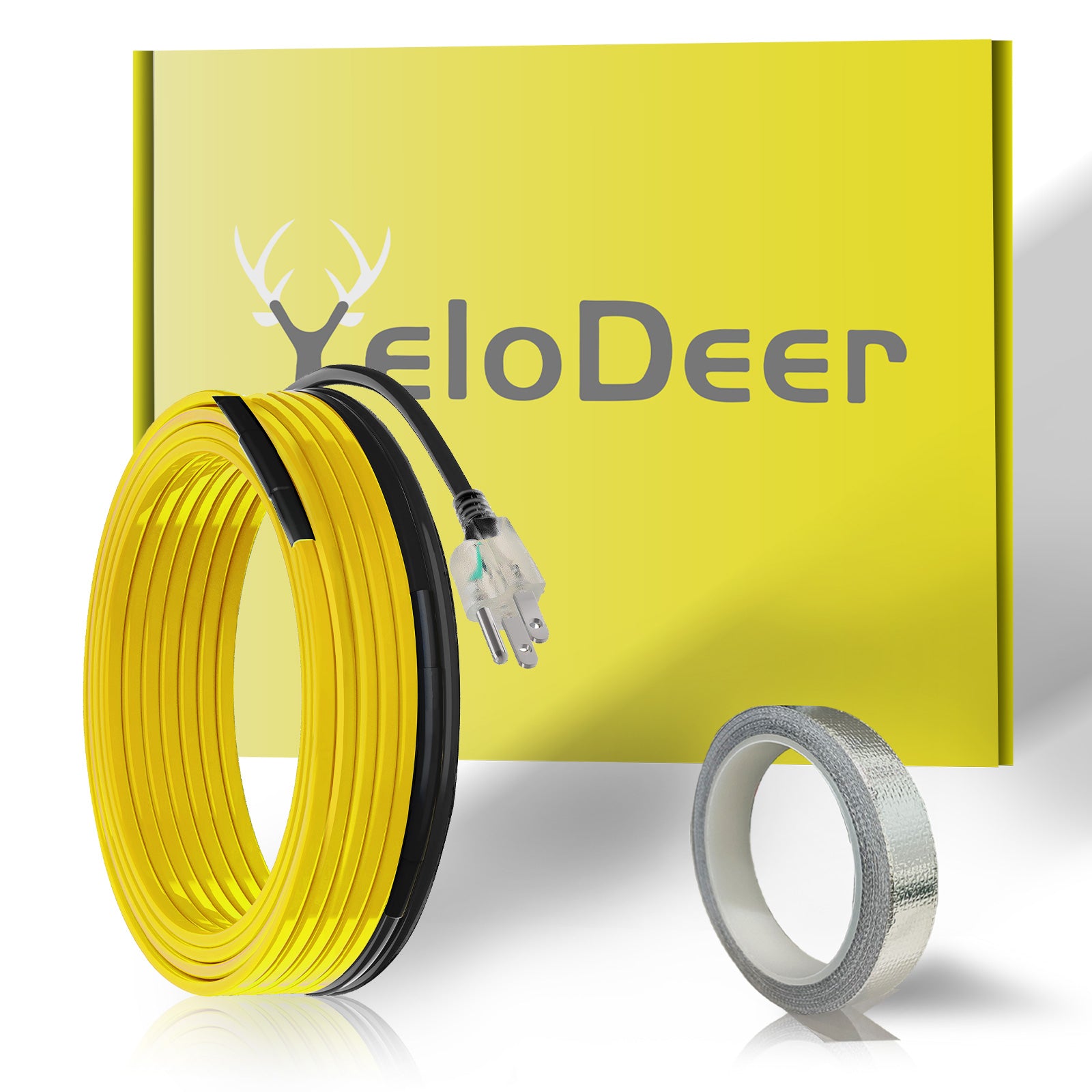
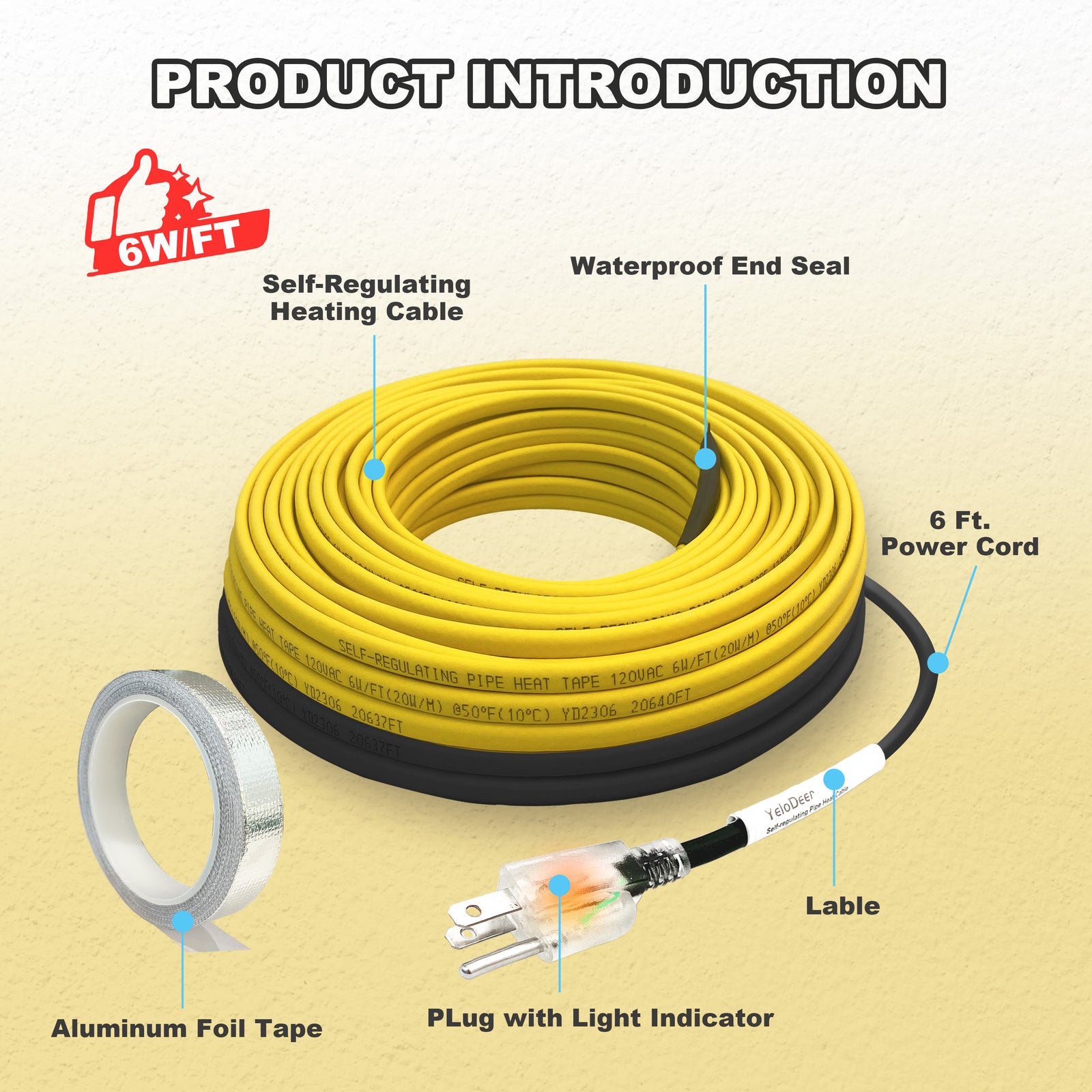
YeloDeer External Pipe Heating Cable
For exposed and accessible water pipes, YeloDeer external pipe heating cable helps reduce freeze risk when properly selected, installed, insulated, powered, and controlled.
Explore External Pipe Heating Cables Shop Self-Regulating Pipe Heat CableAdvantages of On-Pipe Installation
For many homeowners, external pipe heating cable is the first choice because it requires less plumbing modification. It is especially useful for visible pipes in garages, basements, crawl spaces, well houses, sheds, and outdoor utility areas.
Limitations of On-Pipe Installation
External cable heats the pipe from the outside, so proper installation and insulation are important. Without insulation, much of the heat can escape into the surrounding air instead of staying near the pipe.
YeloDeer Foam Tape for Pipe Insulation Support
External pipe heating cable works best when paired with suitable insulation. Foam tape can help support heat retention around compatible pipe heating installations.
Explore Foam TapeWhat Is In-Pipe Heating Cable?
In-pipe heating cable is installed inside a compatible water pipe through a proper fitting. Instead of warming the pipe from the outside, the cable is placed inside the water line to help warm the internal freeze-prone section.
This option is often considered when the pipe cannot be reached from the outside, such as buried pipes, wall-encased pipes, or already insulated lines where external wrapping is not practical.
YeloDeer In-Pipe Heating Cable
For compatible hidden, buried, or hard-to-access water lines, YeloDeer in-pipe heating cable helps reduce freeze risk from inside the pipe when properly selected, inserted, sealed, powered, and pressure-tested.
Explore In-Pipe Heating Cables Shop Standard In-Pipe Heating CableAdvantages of In-Pipe Installation
Application note: in-pipe heating cable is not a universal replacement for external heat tape. It must match pipe size, water use, pressure condition, fitting requirements, and installation path.
Limitations of In-Pipe Installation
In-pipe cable installation requires more planning because the cable becomes part of the water line. Pipe diameter, cable path, fittings, pressure testing, and potable water compatibility all matter.
Important: do not install in-pipe cable into a frozen, blocked, collapsed, damaged, or unknown pipe path. The pipe should be thawed, clear, compatible, and inspected before installation.
In-Pipe vs. On-Pipe Heating Cable: Side-by-Side Comparison
| Comparison Point | In-Pipe Heating Cable | On-Pipe Heating Cable |
| Installation Location | Inside a compatible water pipe. | Outside the pipe surface. |
| Best For | Buried, hidden, wall-encased, or hard-to-access water lines. | Exposed and accessible pipes in garages, basements, crawl spaces, outdoor areas, and utility spaces. |
| Installation Difficulty | More complex; requires fittings, sealing, insertion, and pressure testing. | Usually simpler; often easier to install on accessible pipes. |
| Water Flow Impact | May reduce internal clearance, especially in smaller pipes. | Does not interfere with water flow inside the pipe. |
| Insulation Needs | May work where external insulation is already present or external access is not practical. | Typically should be covered with suitable pipe insulation for better heat retention. |
| Maintenance Access | Harder to inspect because the cable is inside the pipe. | Easier to visually inspect, reposition, or replace if accessible. |
| Potable Water Use | Must be specifically suitable for drinking water applications if used in potable lines. | Does not contact drinking water directly. |
Which Method Should You Choose?
Use the pipe location and access level as your first decision point.
| Your Situation | Better Starting Point |
| Garage water pipe is exposed and easy to reach | On-pipe heating cable |
| Crawl space pipe is visible but very cold | On-pipe heating cable with insulation |
| Buried water line freezes before entering the home | In-pipe heating cable, if pipe is compatible |
| Pipe is inside a finished wall | In-pipe heating cable may be considered if access and compatibility allow |
| Small-diameter pipe with limited internal clearance | On-pipe cable if the pipe can be accessed; otherwise review compatibility carefully |
| Drinking water line | Use only a potable-water-suitable in-pipe cable if installing inside the pipe |
Still unsure? Send YeloDeer your pipe material, pipe size, pipe length, photos, installation location, water pressure, and whether the pipe carries drinking water. This information helps determine whether in-pipe or on-pipe protection is more suitable.
Safety and Installation Considerations
Whether you choose in-pipe or on-pipe installation, correct installation matters. Heating cable should always be selected and installed according to the product manual and local electrical requirements.
Use a Thermostat for Better Runtime Control
Both in-pipe and on-pipe heating cable systems can benefit from temperature-based power control. A compatible thermostat helps manage when the cable receives power, reducing unnecessary runtime when freeze protection is not needed.
YeloDeer Pipe Heat Tape Thermostat
A compatible thermostat can help manage pipe heating cable operation based on temperature settings, improving runtime control for suitable freeze protection installations.
Explore Pipe Heat Tape ThermostatAlways confirm voltage, load rating, sensor placement, outlet type, and product compatibility before using a thermostat or controller.
Common Mistakes to Avoid
FAQ
What is the difference between in-pipe and on-pipe heating cable?
In-pipe heating cable is installed inside a compatible water pipe. On-pipe heating cable is installed on the outside of the pipe and usually covered with insulation.
Which is easier to install?
On-pipe heating cable is usually easier because it installs on the outside of an accessible pipe. In-pipe cable requires pipe entry, fittings, sealing, insertion, and pressure testing.
When should I choose in-pipe heating cable?
Choose in-pipe cable when the freeze-prone pipe section is buried, hidden, wall-encased, already insulated, or difficult to access from the outside, and when the pipe is compatible with internal cable installation.
When should I choose on-pipe heating cable?
Choose on-pipe cable when the pipe is visible, accessible, and can be wrapped or run with heating cable and suitable insulation.
Does in-pipe heating cable affect water flow?
It can reduce internal clearance, especially in smaller pipes. Always confirm pipe inside diameter, fittings, and water flow needs before installation.
Can in-pipe heating cable be used for drinking water?
Only use in-pipe heating cable that is specifically suitable for potable water applications. Confirm jacket material, product specifications, pipe size, pressure rating, and installation instructions.
Does on-pipe heating cable need insulation?
In most pipe freeze protection applications, yes. Insulation helps hold heat around the pipe and reduces heat loss to surrounding air.
Which option is better for buried water lines?
If the buried section cannot be accessed externally, in-pipe heating cable may be the better option if the pipe size, pressure, water use, and cable path are compatible.
The Bottom Line
In-pipe and on-pipe heating cables both help reduce pipe freeze risk, but they solve different problems. On-pipe cable is usually the simpler choice for exposed and accessible pipes. In-pipe cable is useful for compatible hidden, buried, or hard-to-access water lines.
For external installation, remember that pipe insulation is important. For internal installation, confirm potable water suitability, pipe diameter, cable path, fittings, sealing, and pressure testing.
Before choosing, evaluate pipe access, pipe material, pipe size, water use, pressure, winter temperature, electrical setup, and installation difficulty.
Need Help Choosing In-Pipe or On-Pipe Freeze Protection?
Share your pipe material, pipe size, pipe length, installation location, photos, water pressure, and whether the pipe carries drinking water. The YeloDeer team can help review which freeze protection method is more suitable for your setup.
Shop On-Pipe Heating Cables Shop In-Pipe Heating Cables Shop Pipe Heat Tape Thermostat Request Project Support