Nobody wants to think about burst pipes until it happens to them. Then suddenly, they are on the phone with a plumber, a restoration company, and their insurance agent — all in the same morning — trying to figure out how a single cold night turned into a five-figure nightmare.
Before you assume, "it won't happen to my property," let's look at the real, cold math of a burst pipe event versus the simple, modern math of prevention.
The Real Cost of a Burst Pipe: A Breakdown
Most homeowners and property managers assume a burst pipe simply means paying a plumber a few hundred dollars to solder a new section of pipe. Unfortunately, that is only the tip of the iceberg.
Here is what the full recovery bill actually looks like:

|
Expense Category |
Estimated Cost Range (USD) |
What It Actually Covers |
|
Plumbing & Pipe Repair |
$500 - $2,000 |
Cutting open drywall, replacing damaged copper/PEX segments, and basic labor fees. |
|
Water Damage Restoration |
$3,000 - $8,000 |
Industrial water extraction, high-velocity blowers, dehumidifiers, and tearing out ruined subfloors/drywall. |
|
Mold Remediation |
$1,500 - $5,000 |
Urgent cleaning of mold spores that begin multiplying within 24 to 48 hours of exposure. |
|
Property & Belongings Loss |
Varies |
Ruined furniture, appliances, flooring, ceiling tiles, and personal stored items. |
|
The Average Frozen Claim |
$5,000 - $10,000 |
Industry average for mild-to-moderate claims. Serious events regularly exceed $20,000. |
Beyond the raw financial hit, there is the non-monetary cost: coordinating multiple contractors, living in a construction zone for weeks, dealing with temporary displacement, and the massive stress of navigating complex insurance policies.
What Your Homeowner’s Insurance Actually Covers (And the Gotchas)
Many landlords and homeowners think, "It's fine, I have insurance." But standard homeowner and commercial property policies have strict guardrails regarding freeze-related water damage:
The "Heat Maintenance" Clause: If you turn the heating system off to save money while you are away, and the pipes freeze as a result, your claim will almost certainly be denied. Most policies require you to maintain "adequate heat" — typically defined as a minimum of 55°F (13°C).
The "Slow Leak" Exclusion: Insurance is designed for sudden, accidental events. If a frozen pipe creates a small hairline crack that leaks slowly inside a wall over several weeks, the insurer may classify it as a "neglected maintenance issue" and reject the claim.
The Deductible and Premium Spike: Even if your claim is approved, you still have to pay your deductible (often $1,000 to $5,000). Furthermore, filing a major water damage claim can cause your premium rates to skyrocket upon renewal.
What Prevention Actually Costs (The YeloDeer Math)
Now, let us compare those terrifying five-figure bills with the actual cost of modern freeze prevention.
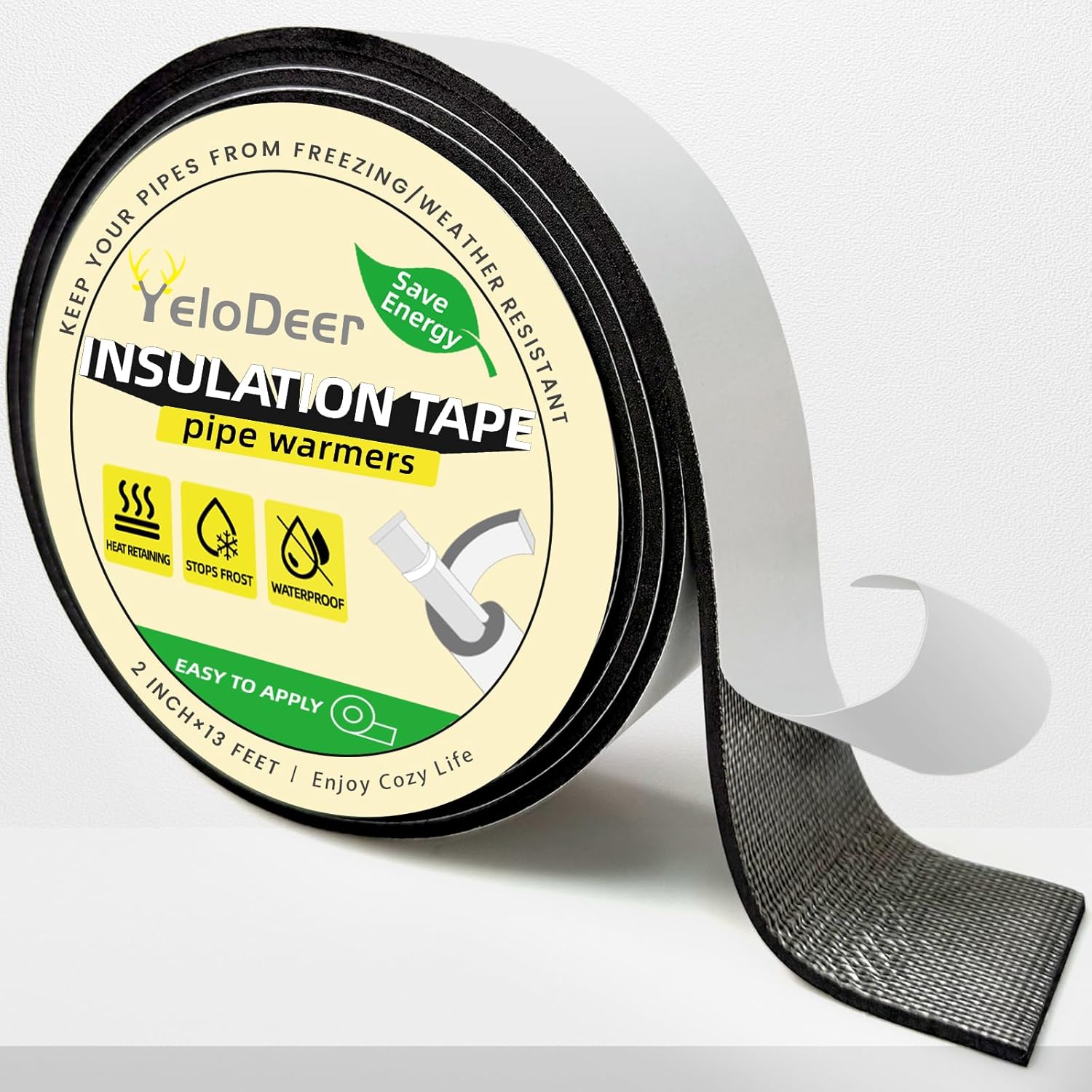
Passive Pipe Insulation: Foam sleeves cost about $1 to $3 per linear foot. While helpful for basic protection, foam cannot generate heat. During a severe polar vortex, passive insulation only delays the freezing process by a few hours.
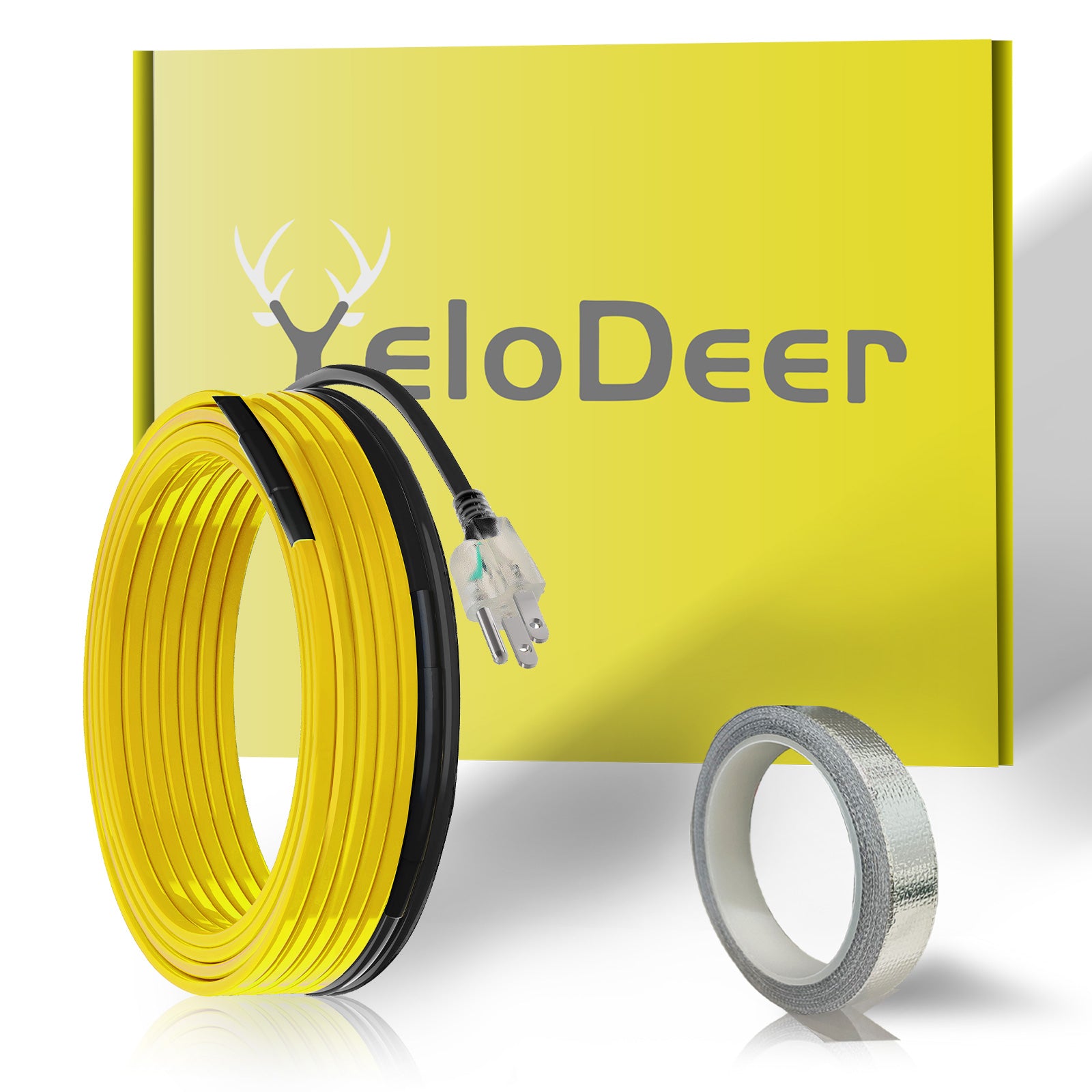
YeloDeer In-Pipe Heating Cables: This is the ultimate gold standard for vulnerable or buried water lines. For a typical vulnerable section (such as a 15-foot run or a 20-foot well supply line), a premium food-grade in-pipe heating cable costs only $30 to $80 depending on the length.
Doing the Math on Electricity Costs
Let’s calculate the running costs for peace of mind. A 20-foot segment of YeloDeer’s food-grade in-pipe heating cable operates at a highly efficient 3W/ft rating, drawing a total of 60W.
If the cable runs automatically for 8 hours a night over a 120-day winter season: Total Consumption = 60W x 8 hours/day x 120 days = 57,600 Wh (which is 57.6 kWh).
At the average US electricity rate of approximately $0.16 per kWh: Seasonal Running Cost = 57.6 kWh x $0.16 = approximately $9.22 per year.
For less than $10 a year in electricity, you completely neutralize a potential $10,000+ repair catastrophe. The math is simple: the cable pays for itself many times over in its very first winter.
The High-Risk Pipes Most Likely to Cost You Money
If you have pipes running through any of the following zones, you are one severe cold snap away from a massive bill:
Buried supply lines & well lines: Pipes that run through soil above or near the frost line. Since they are buried underground, YeloDeer's in-pipe cables are the only viable solution, inserting directly into the water stream.
Pipes in exterior walls: Common in older homes where wall insulation is degraded or insufficient.
Crawl spaces & unheated basements: Especially pipes located near the rim joists.
Unheated garages or outbuildings: Supply lines to hose bibs, workshops, or utility sinks.
The Decision is Simple: Protect Your Asset
Preventing a frozen water line costs tens of dollars. Recovering from a ruptured water line costs tens of thousands.
YeloDeer's premium, CSA-certified, food-grade in-pipe heating cables start at under $10 per foot and are available in customizable lengths from 5 feet to over 100 feet. Protect your home, your rental portfolio, or your commercial facility today.
👉 [Browse YeloDeer’s CSA-Certified In-Pipe Heating Cables] Are you a plumber, contractor, or property manager? Contact our sales team for bulk-order discounts and commercial-grade specifications.