Spring has finally arrived in North America. As the last of the snow disappears and the grass begins to peak through, most homeowners are busy preparing for spring gardening and cleaning out their garages. However, there is one critical item often left off the spring maintenance checklist: your roof and gutter heating system.
While the threat of ice dams has passed for now, the transition from winter to spring is the most common time for hidden damage to occur—and for unnecessary electricity costs to skyrocket.
Here is your 5-point essential spring roof audit to ensure your home stays protected and your utility bills stay low.
The "Ghost Power" Trap: Unplug Your Cables!
One of the biggest misconceptions about self-regulating heating cables is that they "turn off" when the weather gets warm. This is a myth.
While self-regulating technology reduces power output as the temperature rises, it never fully shuts off on its own. As long as it’s plugged in, it’s drawing a baseline wattage. If you forget to unplug your system in April, you are essentially paying to heat the spring air 24/7.
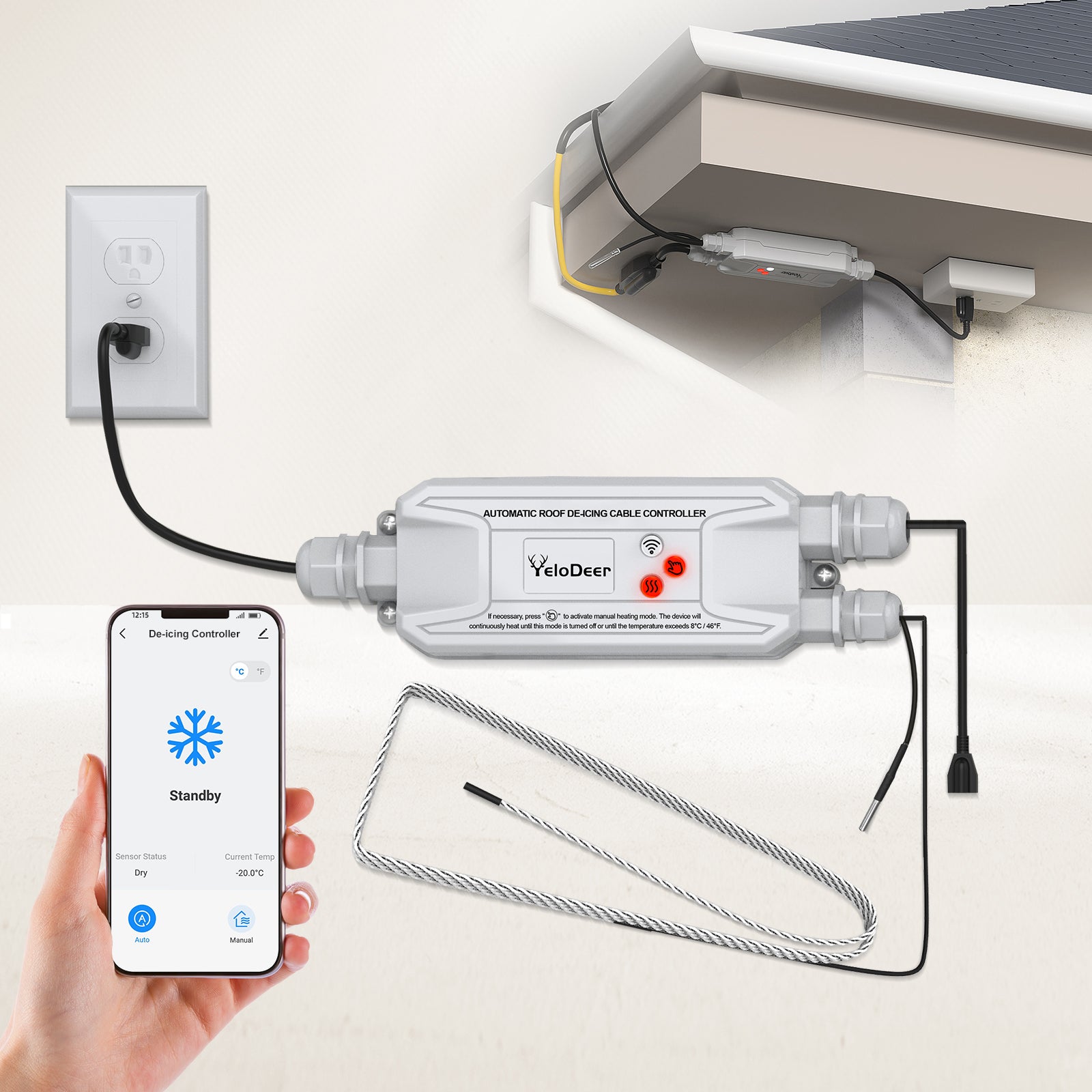
Pro Tip: Unless you have a dedicated automatic controller, make it a priority to manually unplug your heat tape as soon as the consistent freezing temperatures are over.
Inspect for "Winter Battle Scars"
Winter is harsh on outdoor equipment. Heavy ice movements and shifting snow can put immense physical stress on your cables.
Check for UV Damage: Even high-quality cables can suffer from extreme UV exposure over time. Look for any signs of cracking or brittleness in the outer jacket.
The Squirrel Factor: During the "starvation months" of late winter, squirrels and other rodents often chew on cables.
Warning: If you see any exposed wiring or deep gouges, do not attempt to patch it. Exposed "live" wires are a major fire hazard. It’s time for a replacement.
Reset Your Gutter Clips and Alignment
As the ice melts and slides off your roof, it acts like a slow-motion glacier, often dragging your heating cable along with it.

The "Zig-Zag" Check: Ensure your cable is still in its proper "zig-zag" pattern on the roof edge and securely fastened within the gutter.
Downspout Clearance: Check that the cable hasn't been pulled out of the downspouts.
If your cable is left dangling or misaligned, it will be useless when the next freezing season arrives, leading to the immediate return of dangerous ice dams.
Audit Your Outdoor Electrical Outlet
Spring rains bring moisture, and moisture is the enemy of electrical connections.
Test the GFCI: Press the "Test" and "Reset" buttons on your outdoor GFCI outlet to ensure it’s still functioning correctly.
Look for Corrosion: Check the plug of your YeloDeer cable for any green oxidation or scorch marks. A clean connection now prevents a "no-start" situation when the first frost hits in October.
Assess Your Roof Shingles
Finally, look at the areas where the heating cable clips are attached. The weight of winter ice can sometimes loosen shingles or flashing. Ensuring your roof’s structural integrity now will save you from the "April Showers" leaking into your attic.
Plan Ahead and Save
If your audit reveals that your system didn't survive the winter, don't wait until the first blizzard of next year to fix it.
Why Buy in Spring?
Off-Season Discounts: Spring is the best time to find deals on professional-grade YeloDeer heat trace kits.
Stress-Free Installation: It’s much safer and easier to install or adjust a system on a dry, sunny spring afternoon than on a slippery, frozen roof in November.
Take 15 minutes this weekend to audit your roof. Your wallet—and your home—will thank you.