

Does an In-Pipe Heating Cable Need a Thermostat? Cable Only vs Controller Kit Explained
Should you choose an in-pipe heating cable alone or a thermostat kit? This guide explains how self-regulating heat cable works, whether it turns off automatically, and when a controller can...
Read more
The 2026 Climate Challenge for Modern Agriculture
Ensure 24/7 water availability for your livestock with YeloDeer's professional internal pipe heating solutions. Designed for thermal efficiency and animal safety, our in-pipe cables offer a robust, energy-saving alternative to...
Read more
Why Your Walk-in Freezer Fan is Turning into an Ice Cube: A Guide to Preventative Maintenance
This article explores the common but disruptive issue of ice buildup on walk-in freezer evaporator fans. We delve into the mechanics of the defrost cycle, explain how a blocked drain...
Read more
How to Prevent Frozen Water Lines: A Complete Guide to YeloDeer Y-In-Pipe Heating Cable Installation
Learn how to install the YeloDeer Y-In-Pipe Heating Cable to protect your water lines from extreme freezing. Featuring a professional walkthrough by Josh Teshner of Teschner Homes, this guide covers...
Read more
Sump Pump Frozen Discharge Line? How to Stop Spring Basement Flooding Before It Starts
As temperatures rise, snowmelt and rain overwhelm sump pumps. However, a frozen discharge line remains a "silent killer" for basements. This blog explains how YeloDeer Sewer In-Pipe Heating Cables provide...
Read more
The Ultimate Guide to Well & Artesian Well Freeze Protection: Why "Internal" is the Only Solution
This guide explores how to achieve a permanent freeze proof water line for inaccessible buried pipes. Learn why an internal water line heater is the only logical choice to prevent...
Read more
Top 6 Reasons Your In-Pipe Heating Cable Might Leak (and How to Prevent It)
Six common causes of leaks in in-pipe heating cables, and provides response and prevention tips.
Read more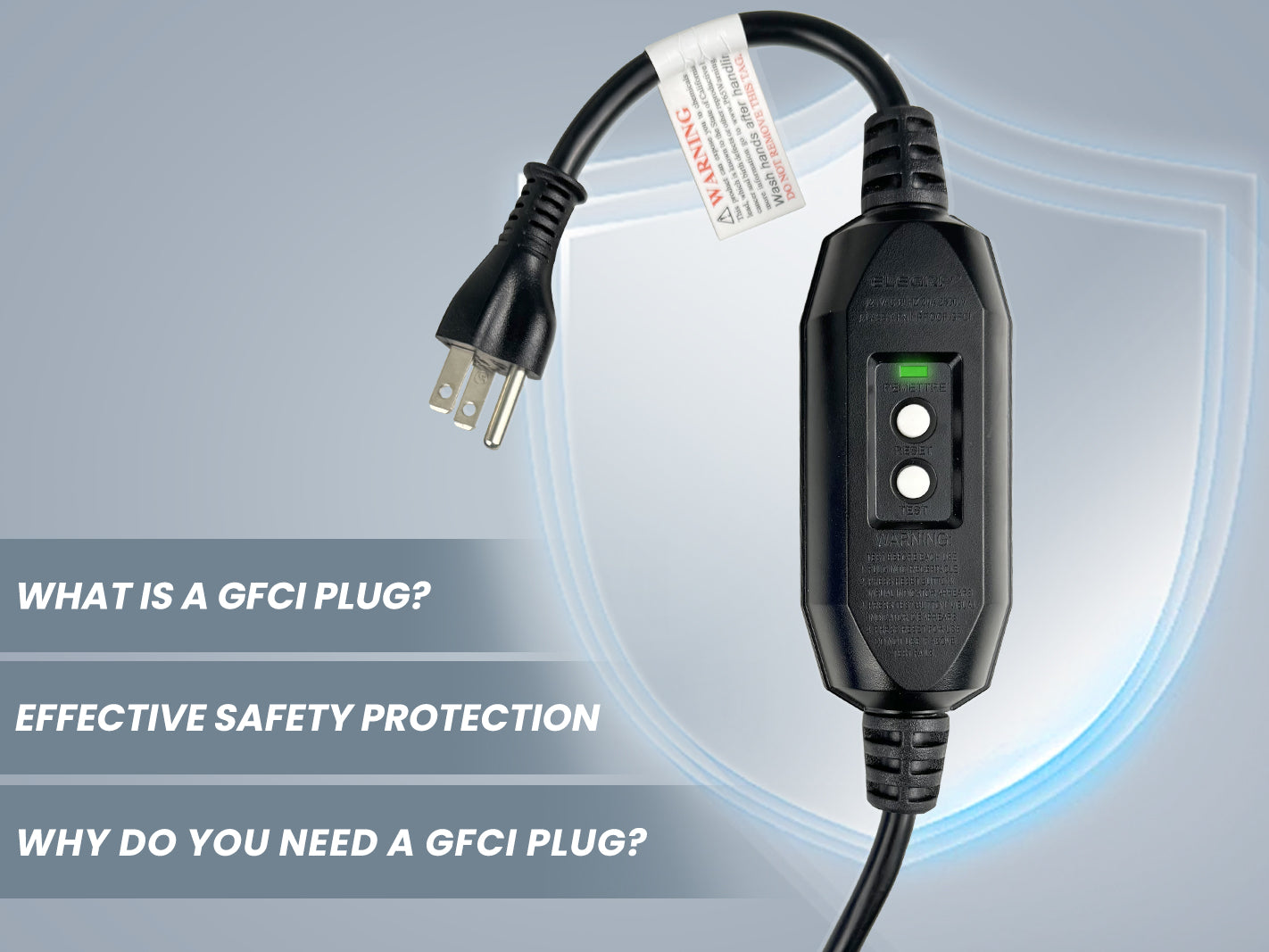
GFCI Plugs: Effective Safety Protection for In-Pipe Heating Cables
GFCI plugs are vital safety devices designed to prevent electrical shocks by interrupting power when they detect current leakage. These plugs are essential in wet areas, significantly reducing the risk...
Read more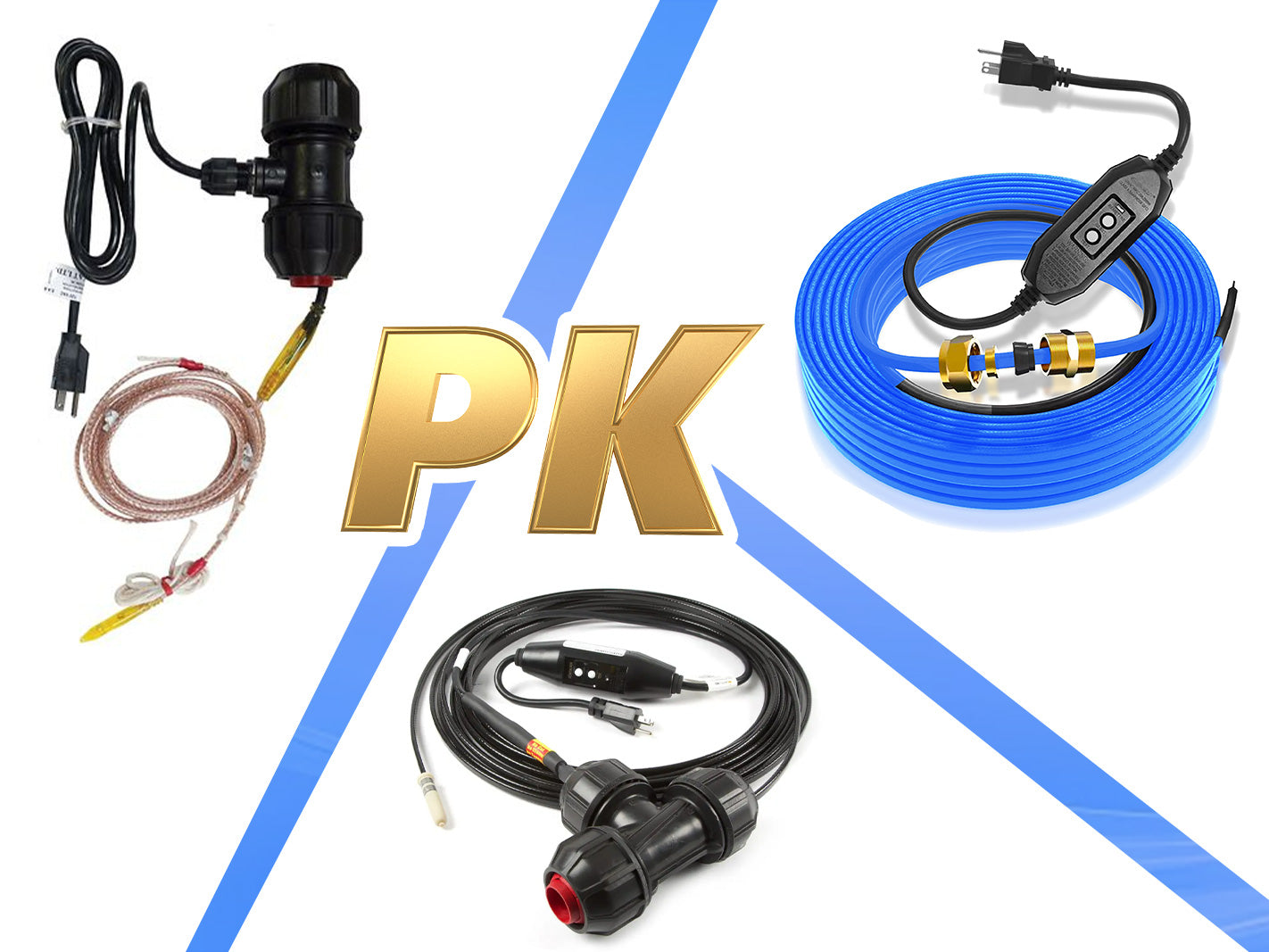
In-Pipe Heating Cable Comparison: YeloDeer vs. Retro-Line® vs. EasyHeat™ ILH
This review compares the YeloDeer in-pipe heating cable, Retro-Line®, and EasyHeat™ ILH. Key features, flexibility, and pricing are compared to guide informed decisions.
Read more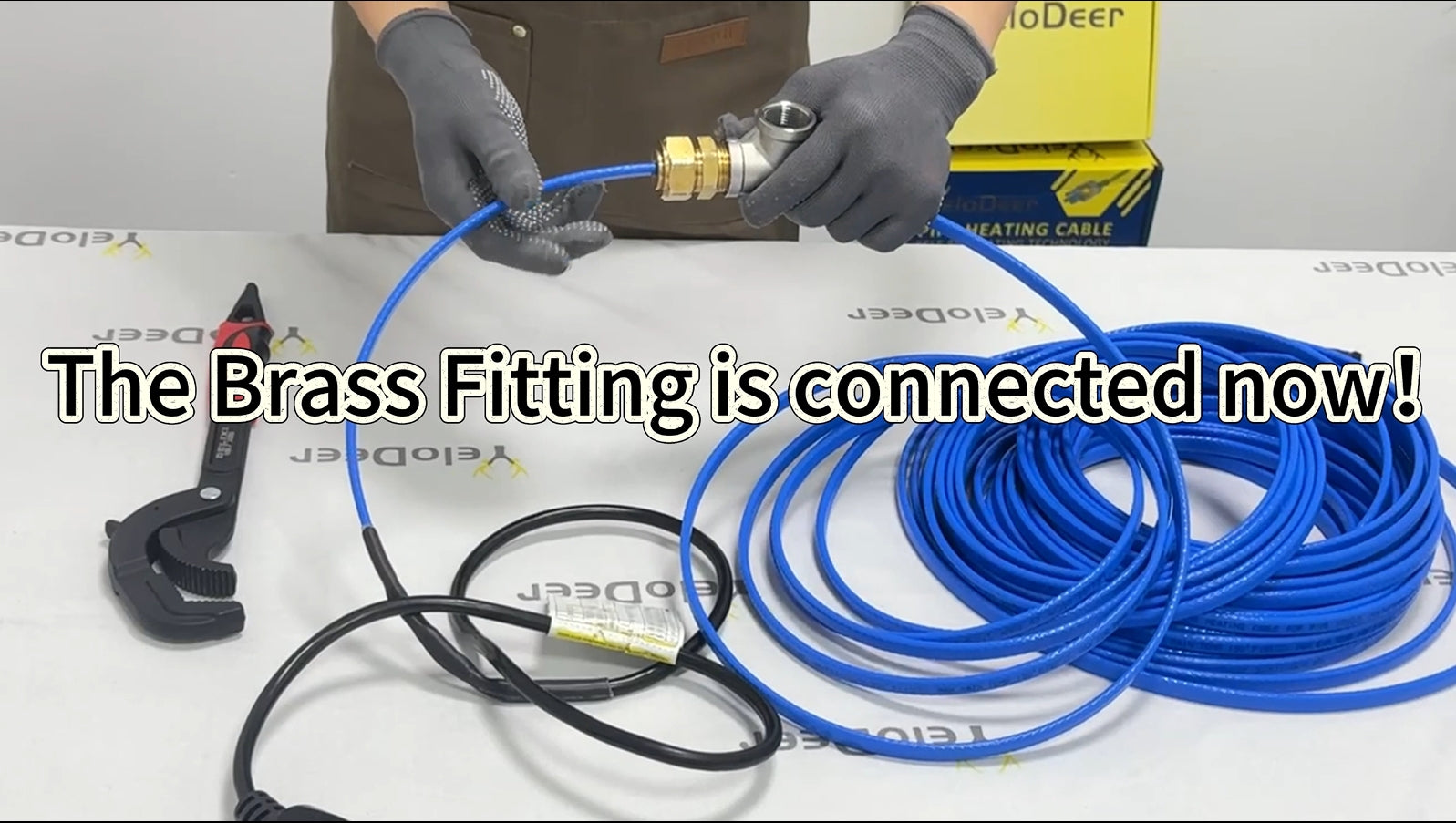
How to Connect the Brass Fitting to Your T-Fitting | In-Line Heating Cable Installation
Learn how to easily connect the brass fitting to your T-fitting for a seamless in-line heating cable installation in just 5 steps. Follow this guide for a secure and efficient...
Read more
Installation Guidelines for In-Pipe Heating Cable
Before installation, measure pipe length, check for sharp bends, and ensure the pipe diameter is over 3/4''. During installation, protect the cable’s outer jacket, purchase a separate T-fitting for non-standard...
Read more
Adjusting the Length of Your In-Pipe Heating Cable: What You Need to Know
Struggling to find the right size for your in-pipe heating cable? This article shows you how to effectively adjust an overly long cable without cutting it. Discover how to keep...
Read more