Imagine it’s -15°F outside. You’re about to take a warm shower, only to find foul-smelling sewage slowly gurgling up into your bathtub. Even if you are on a public sewer system, this nightmare happens to thousands of mobile home owners every winter.
It is now April. The snow has melted, and the bitter cold feels like a distant memory. But for mobile home owners, right now is the most critical window to protect your home from the next winter.
Two Stages of Homeowners: Which One Are You?
Based on our customer data at YeloDeer, most owners fall into two categories:
January - February (The Crisis Phase): The pipes are already frozen. Sewage is backing up. Owners are in "panic mode," searching for a miracle fix that doesn't exist once the ice is solid.
March - April (The Recovery & Upgrade Phase): The ice is gone. Owners are assessing the damage and looking for a permanent solution to ensure they never face that nightmare again.
Expert Advice: The best time to winterize your pipes is always before the first snowflake falls.

Why Does Sewage Back Up into the Tub?
Mobile homes have a unique vulnerability: the drainage pipes are exposed in the "crawl space" under the skirting. During extreme cold:
The "Ice Dam" Effect: Small amounts of gray water freeze instantly as they touch the cold pipe walls. Layer by layer, a solid "Ice Dam" forms inside the main sewer line.
The Lowest Point Rule: Once the main line is blocked, any new waste from your toilet or sink has nowhere to go. It overflows from the lowest opening in the house—the bathtub drain.
The "Snake" Myth: A standard 25ft plumber’s snake cannot break through several feet of solid ice. Mechanical clearing fails when nature freezes your pipes.
YeloDeer Solutions: Must Be Installed BEFORE the Freeze
There is one golden rule: In-pipe heating cables must be installed while the pipes are clear. Once your sewer is frozen solid, it is physically impossible to insert a heating cable.
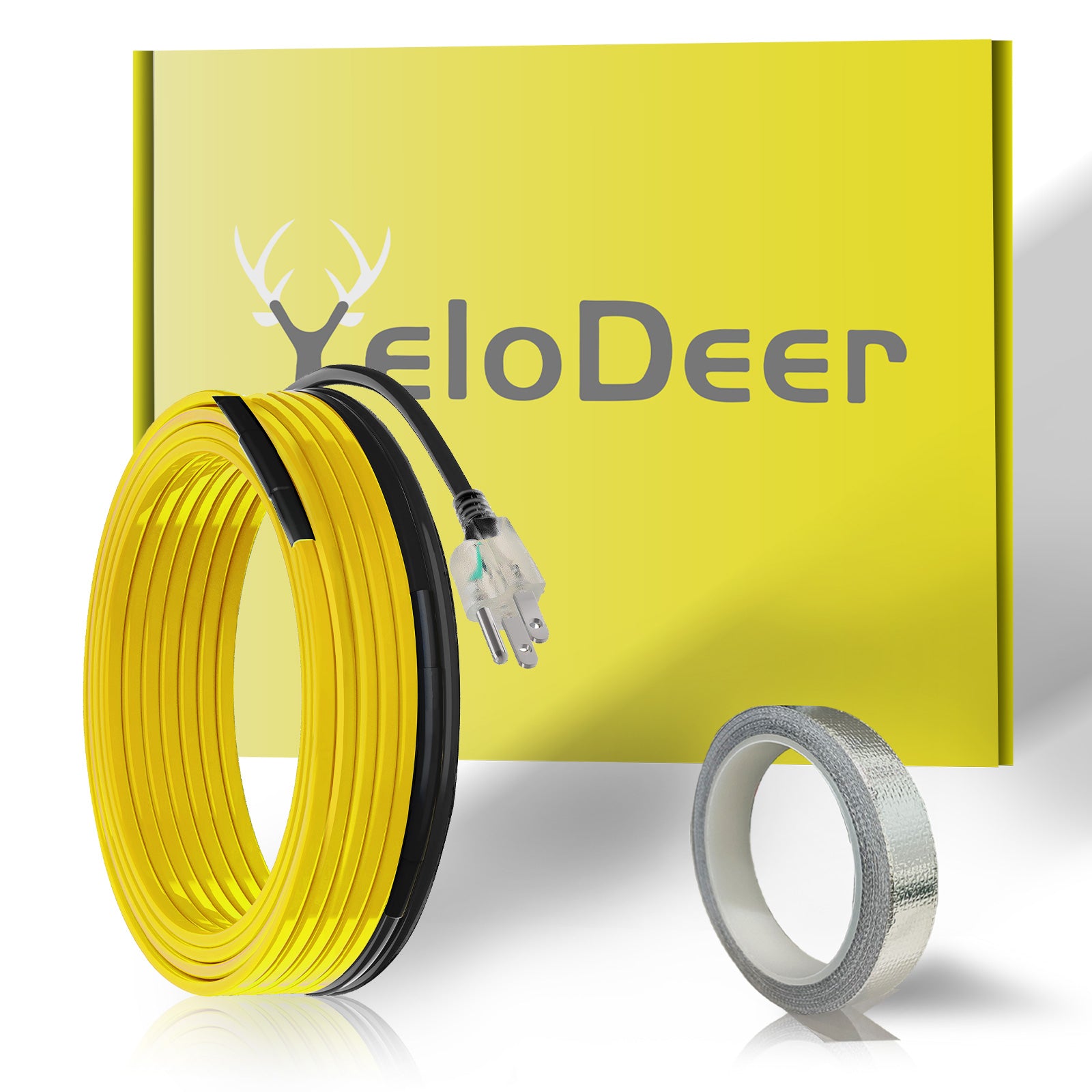
Solution A: The "Nuclear Option" — YeloDeer Heavy-Duty Sewer Pipe Heating Cable System
If you want the ultimate protection, the [YeloDeer Heavy-Duty Sewer Pipe Heating Cable] is your best bet.
Pre-Freeze Installation: You must install this now while the pipes are flowing.
Core-Out Heating: When the next freeze hits, heat is released from the center of the pipe, melting ice 5x faster than external wraps.
Long-Term Security: Install it once in the spring, and forget about frozen sewers for years.
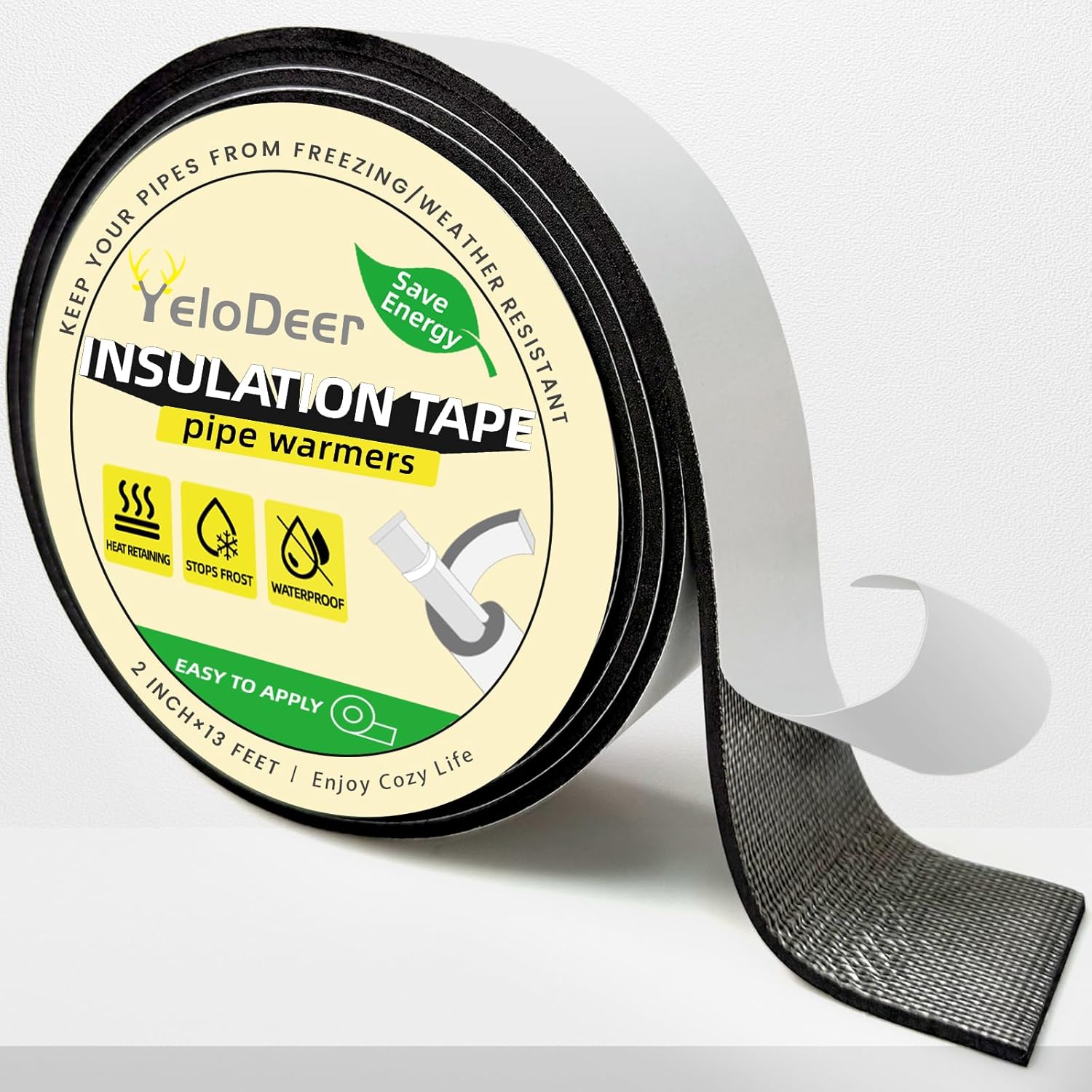
Solution B: Smart Monitoring — External Heat Tape with Dual Indicators
For those looking for a DIY-friendly external solution, the [YeloDeer Dual-Indicator External Heat Tape] is the gold standard.
Visual Peace of Mind: The built-in lights tell you at a glance if the system is powered and working, even in a dark crawl space.
Spring Checkup: Now is the time to replace old, brittle heat tapes with our heavy-duty, thermostat-controlled version.

3 Things You Must Do This April
Inspect for Micro-Cracks: Winter freezes often leave tiny cracks in PVC. Check for leaks now and repair them before installing your heating system.
Install In-Pipe Cables While It's Easy: Don't wait until November when the ground is frozen and the wind is howling. Testing your Heavy-Duty Sewer Pipe Heating Cable’s fit is easiest when the system is clear.
Fix Your Skirting: Seal any gaps where cold wind can whistle through. A secure skirting is your first line of defense.
Summary: "Defrost First, Install Second"
Remember, heat tape is a prevention tool, not an ice-axe. If you suffered through a sewage backup last winter, don't let it happen again. Take advantage of the mild April weather to install a reliable YeloDeer system.
[Plan Your Summer Pipe Upgrade Today] — Don’t let your tub become a sewage pool next winter.