Quick Answer
Mobile home sewer lines can freeze when drain pipes run through cold crawl spaces under the skirting. Once ice forms inside the main drain or sewer line, wastewater may back up through the lowest opening in the home, often the bathtub drain.
The best time to protect mobile home sewer lines is before the next freeze season, while the pipe is still clear. Spring and summer are ideal times to inspect for leaks, repair skirting, and install either an in-pipe sewer heating cable or an external pipe heat tape system before winter returns.
Imagine it is -15°F outside. You turn on the shower, but instead of clean water draining away, foul-smelling wastewater starts gurgling up into the bathtub.
For many mobile home owners, this is not just a plumbing inconvenience. It is a winter emergency that can happen when exposed drain or sewer lines freeze under the home.
By April, the snow may be gone and the cold may feel like a distant memory. But that is exactly why spring is a smart time to upgrade your freeze protection system. The pipes are clear, access is easier, and you can fix the problem before the next hard freeze.
Why Spring Is the Best Time to Prepare
Most mobile home sewer freeze problems follow a predictable seasonal pattern. During the coldest months, many owners are reacting to an emergency. In spring, they finally have time to inspect damage, repair vulnerable areas, and plan a better system.
Planning rule: the best time to winterize mobile home pipes is before the first snow or deep freeze. Waiting until the pipe is frozen can limit your options.
Why Sewage Backs Up Into the Bathtub
Mobile homes often have drain and sewer lines running through a crawl space under the skirting. These areas can be exposed to cold air, wind, ground moisture, and poor insulation.
When small amounts of wastewater or gray water move through a very cold pipe, they can refreeze along the pipe wall. Over time, layer after layer of ice may restrict the pipe until the drain path is blocked.
Important: a plumber’s snake may help with some clogs, but it may not clear a long section of solid ice inside a frozen drain or sewer line. Freeze prevention should be installed before the pipe freezes.
In-Pipe Sewer Heating Cable vs. External Heat Tape
Both in-pipe and external heating solutions can help reduce mobile home sewer freeze risk, but they are not used the same way.
| Option | Best For | Key Advantage |
| In-Pipe Sewer Heating Cable | Drain or sewer lines where internal cable installation is suitable and the pipe is clear. | Places heat closer to the wastewater path and can help reduce internal ice buildup risk. |
| External Pipe Heat Tape | Accessible exterior pipe sections under the home where the cable can be securely installed and insulated. | DIY-friendly for many exposed pipes and easier to visually inspect during maintenance. |
| Skirting and Insulation Repairs | All mobile homes with cold air gaps, missing insulation, or wind exposure under the floor. | Reduces heat loss and helps the heating cable work more effectively. |
The right solution depends on pipe size, pipe material, pipe access, drainage layout, cable rating, installation method, power availability, insulation, and local code requirements.
Solution A: In-Pipe Heating Cable for Sewer Lines
An in-pipe sewer heating cable is installed inside a compatible drain or sewer line while the pipe is clear. This places heat closer to the internal drainage path where ice buildup can begin.
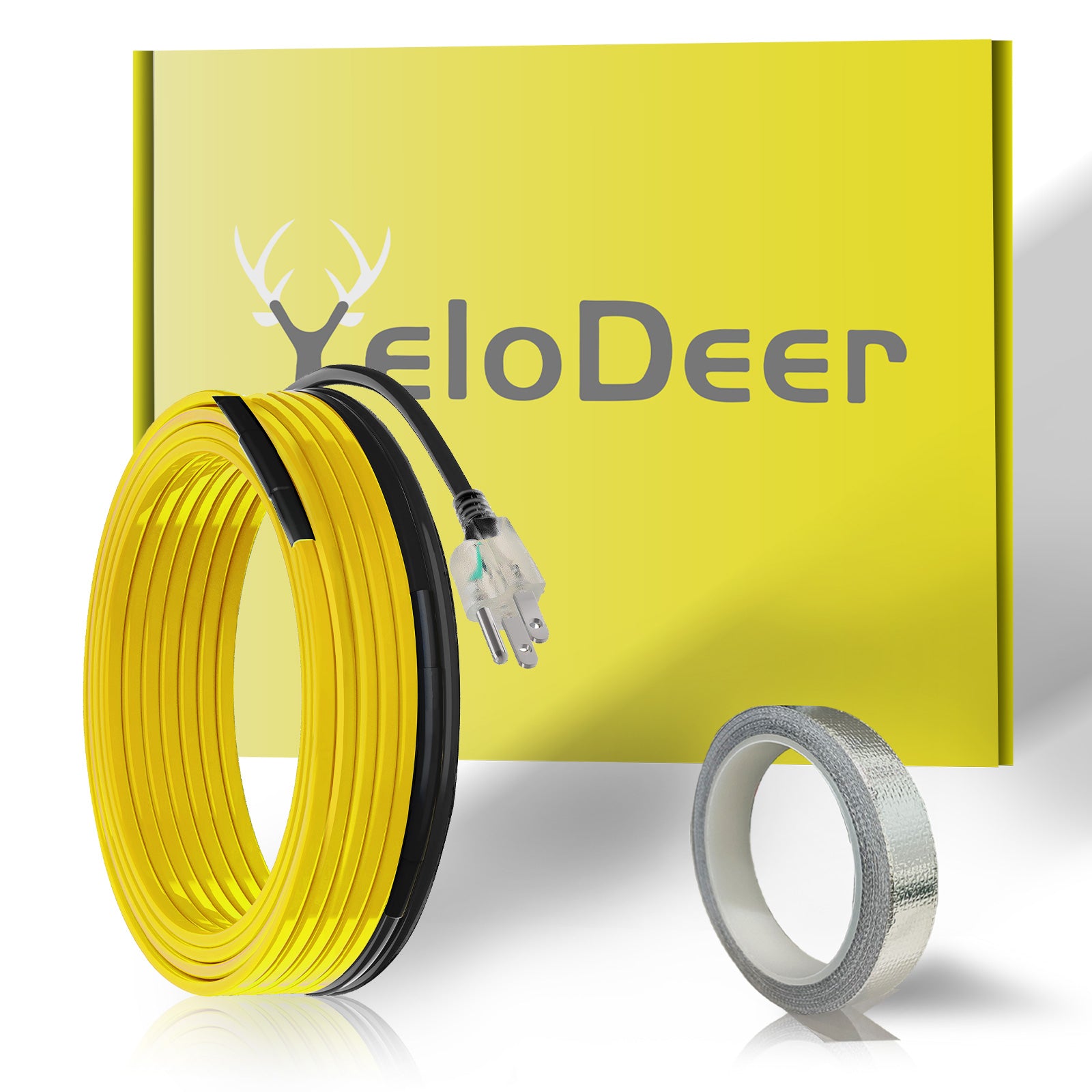
YeloDeer Heavy-Duty Sewer Pipe Heating Cable
The YeloDeer heavy-duty in-pipe heating cable for sewer systems is designed for compatible drain and sewer freeze protection applications where internal heating is needed.
It should be installed before freezing conditions, while the pipe is clear and accessible.
Explore YeloDeer Sewer Pipe Heating CableInstallation reminder: do not force any cable into a blocked, damaged, undersized, or incompatible pipe. Confirm pipe condition and cable compatibility before installation.
Solution B: External Heat Tape with Visual Indicators
For many accessible pipe sections under a mobile home, external heat tape can be a practical and DIY-friendly freeze protection option.
YeloDeer Dual-Indicator External Heat Tape
The YeloDeer dual-indicator external heat tape is designed for pipe freeze protection with visual indicator lights that help confirm power and operating status at a glance.
This can be especially useful in dark crawl spaces or under mobile home skirting where quick visual checks matter.
Explore YeloDeer Dual-Indicator Heat TapeSafety reminder: old or damaged heat tape should not be reused. Replace heat tape if the jacket is cracked, the plug is damaged, indicator lights fail, the thermostat does not respond, or the cable has been crushed or sharply bent.
3 Things Mobile Home Owners Should Do This Spring
Before planning any heating cable installation, inspect the system. Winter freezing can leave damage that only shows up once the weather warms and the pipes start flowing again.
Why Skirting Still Matters
Heating cable can help reduce freeze risk, but it should not be the only line of defense. Mobile home skirting helps block wind and reduce cold air exposure around the crawl space.
If the skirting is damaged, missing panels, or has large gaps, cold air can blow directly across pipes and make freeze protection much harder.
Best result: combine proper pipe slope, secure skirting, insulation, heat trace, safe power, and seasonal inspection.
Common Mistakes to Avoid
FAQ
Why does sewage back up into the bathtub in a mobile home?
When the main drain or sewer line freezes, new wastewater from toilets, sinks, showers, or laundry cannot drain away. It may back up through the lowest opening in the home, often the bathtub or shower drain.
Can I install an in-pipe heating cable after the sewer line freezes?
No. In-pipe heating cable should be installed while the pipe is clear. If the sewer line is frozen solid, the pipe must be safely thawed and inspected before any internal heating cable installation is considered.
Is in-pipe heating cable better than external heat tape?
It depends on the pipe and application. In-pipe cable places heat closer to the drainage path, while external heat tape can be easier to install and inspect on accessible pipe sections. The best choice depends on pipe access, pipe size, cable rating, and installation conditions.
Do I still need insulation if I use external heat tape?
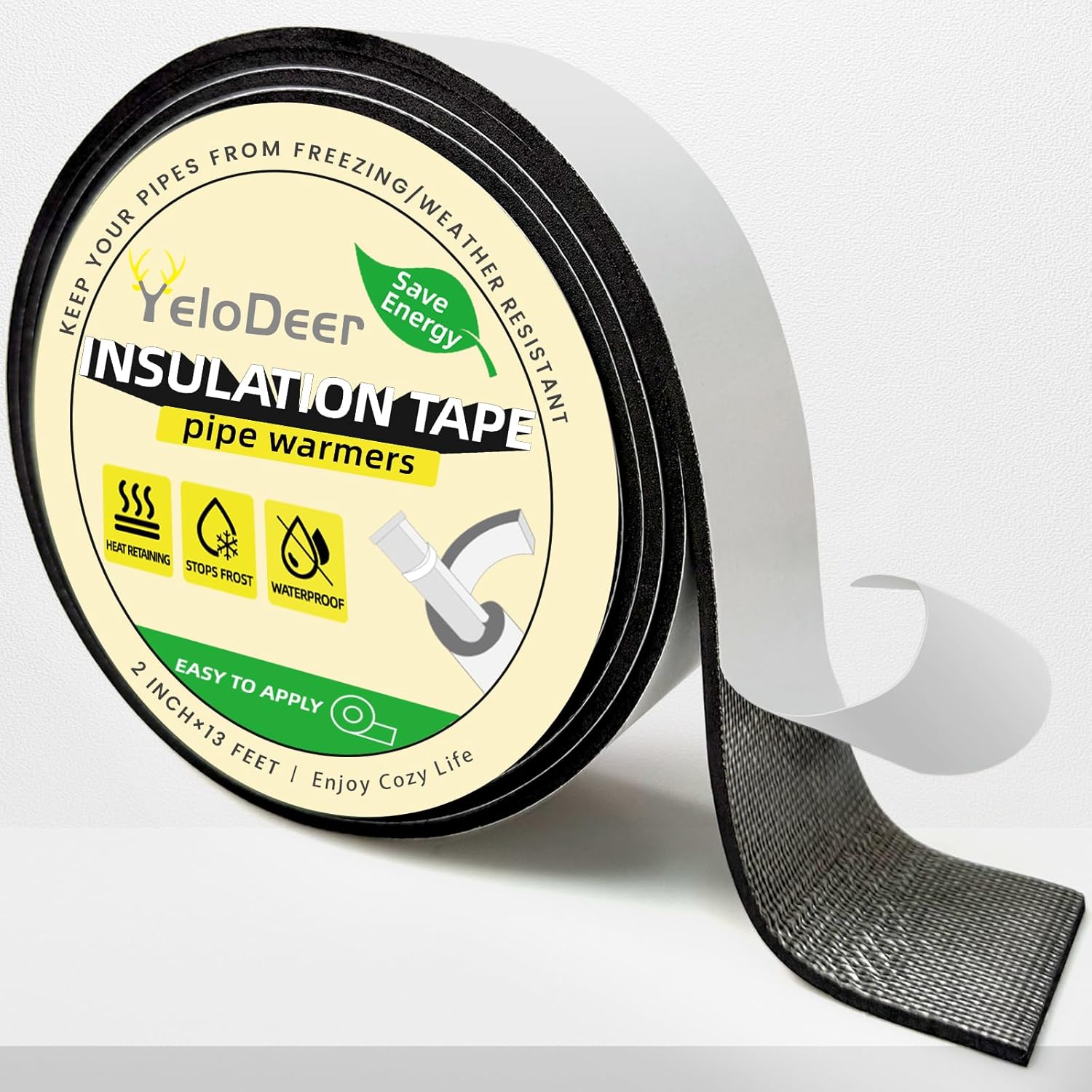
Yes. External heat tape usually works best when paired with proper pipe insulation. Insulation helps reduce heat loss and protects the pipe from cold air exposure.
What should I check under my mobile home in spring?
Check drain pipes, sewer lines, support hangers, slope, skirting gaps, insulation, leaks, old heat tape, power connections, and GFCI protection. Spring is a good time to repair problems before the next freeze season.
Can heat tape guarantee my sewer line will not freeze?
No. A properly selected and installed heating cable can help reduce freeze risk, but performance depends on pipe layout, slope, standing water, insulation, skirting condition, power availability, weather, and installation quality.
The Bottom Line
Mobile home sewer line freeze protection should be planned before winter, not during an emergency.
If your sewer line froze or backed up last winter, use spring and summer to inspect the pipe, repair damage, seal skirting gaps, and install the right heating cable while the line is clear.
Choose an in-pipe sewer heating cable when internal freeze protection is suitable for your drain or sewer line. Choose an external heat tape system for accessible pipe sections that can be wrapped, insulated, and visually checked.
Most importantly, remember the rule: defrost first, inspect second, install before the next freeze.
Plan Your Mobile Home Sewer Freeze Protection Upgrade
Need help choosing between in-pipe sewer heating cable and external heat tape? Tell us your pipe size, pipe material, sewer line length, crawl space access, skirting condition, voltage, and winter temperature range. The YeloDeer team can help you review the right option.
Explore Sewer Pipe Heating Cable Explore Dual-Indicator Heat Tape