Quick Answer
A burst pipe can cost far more than a simple plumbing repair. Once water escapes, property owners may face pipe repair, water extraction, drywall replacement, flooring damage, mold remediation, insurance deductibles, premium increases, and weeks of disruption.
Freeze prevention is usually much less expensive than recovery. For vulnerable water lines, especially buried supply lines, well lines, crawl space pipes, and hard-to-access sections, a properly selected heating cable can help reduce frozen pipe risk before a cold snap turns into a water damage claim.
Nobody wants to think about burst pipes until it happens to them.
Then suddenly, they are calling a plumber, a restoration company, and their insurance agent — all in the same morning — trying to figure out how one cold night became a costly water damage problem.
Before assuming “it will not happen to my property,” it helps to compare the real cost of a burst pipe with the simpler cost of modern freeze prevention.
The Real Cost of a Burst Pipe
Many homeowners, landlords, and property managers assume a burst pipe only means paying a plumber to replace one damaged section. Unfortunately, the pipe repair is often only the beginning.
Once water escapes into walls, floors, ceilings, cabinets, or stored belongings, the recovery cost can grow quickly.
| Expense Category | Estimated Cost Range | What It May Include |
| Plumbing & Pipe Repair | $500–$2,000 | Opening walls or ceilings, replacing damaged copper or PEX sections, fittings, valves, and basic labor. |
| Water Damage Restoration | $3,000–$8,000 | Water extraction, drying equipment, dehumidifiers, damaged drywall removal, subfloor drying, and cleanup. |
| Mold Remediation | $1,500–$5,000 | Cleaning, containment, removal, and remediation when moisture is not addressed quickly. |
| Property & Belongings Loss | Varies | Damaged furniture, appliances, flooring, ceiling tiles, cabinets, stored items, and personal belongings. |
| Insurance Deductible | $1,000–$5,000 | Out-of-pocket payment before approved insurance coverage applies. |
| Typical Water Damage Claim | $5,000–$10,000+ | Mild-to-moderate events may reach several thousand dollars. Severe events can be much higher. |
Important: cost ranges vary by location, property type, pipe location, water volume, response time, contractor rates, and insurance coverage. The key point is that burst pipe recovery often costs much more than the pipe repair itself.
Beyond the financial cost, there is also the stress of coordinating contractors, drying the property, documenting the claim, dealing with temporary displacement, and repairing walls or floors after the water is gone.
Insurance May Help, But It Is Not a Prevention Plan
Many homeowners and landlords think, “It is fine. I have insurance.” But freeze-related water damage claims often come with conditions, exclusions, deductibles, and documentation requirements.
Policy details vary, so property owners should always check their own coverage. In general, these are common issues to understand:
Do not rely on insurance as your freeze protection strategy. Review your policy, maintain heat where required, document winterization steps, and protect vulnerable pipes before freezing weather arrives.
What Frozen Pipe Prevention Actually Costs
Modern freeze prevention is usually much less expensive than burst pipe recovery. The right method depends on pipe location, access, pipe material, weather exposure, and whether the pipe is suitable for external or internal heating cable.
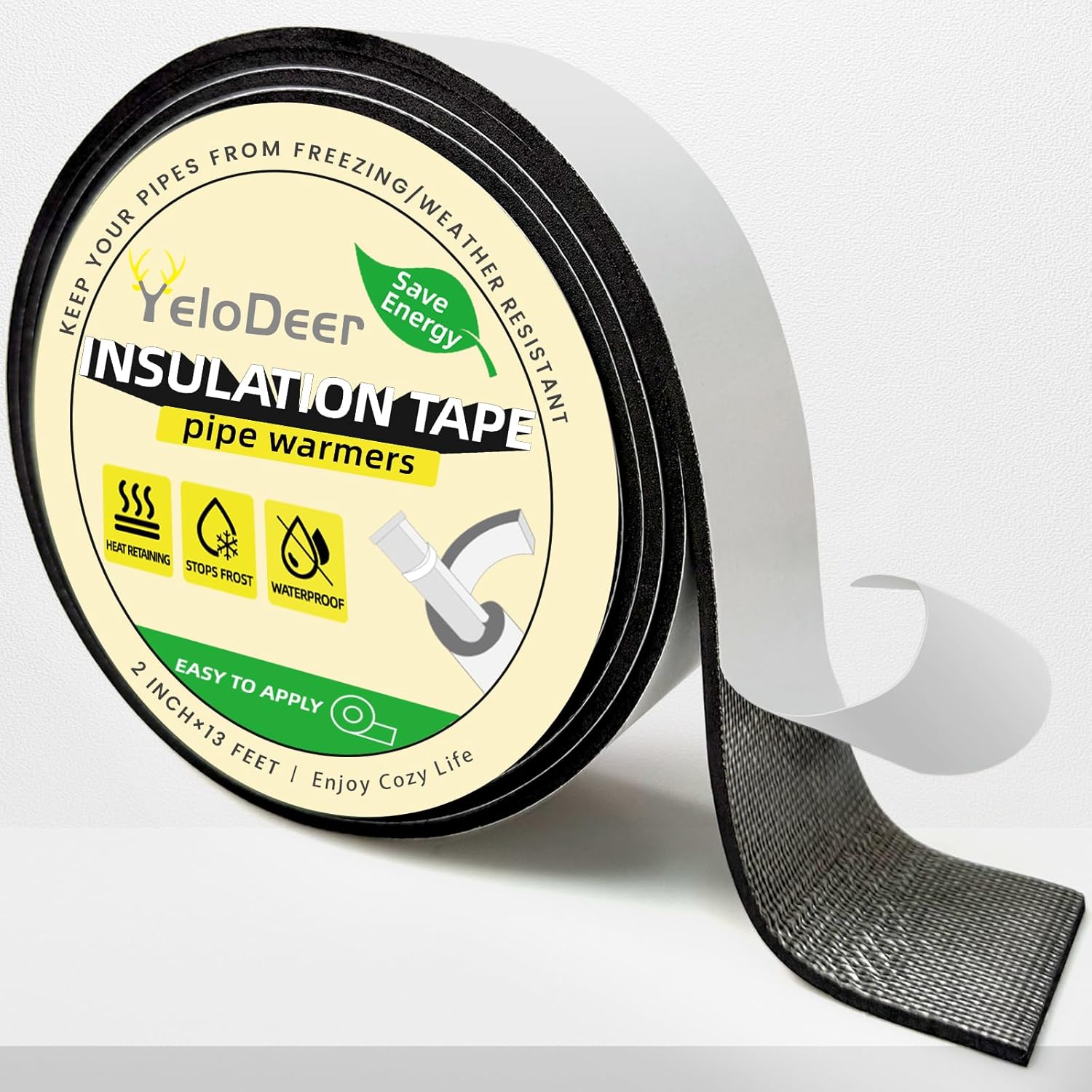
For accessible pipes, an external pipe heating cable with insulation may be a practical option. For buried supply lines, well line transitions, and hard-to-access water lines, an in-pipe heating cable may be a better fit when the pipe and application are compatible.
Recommended YeloDeer Solution
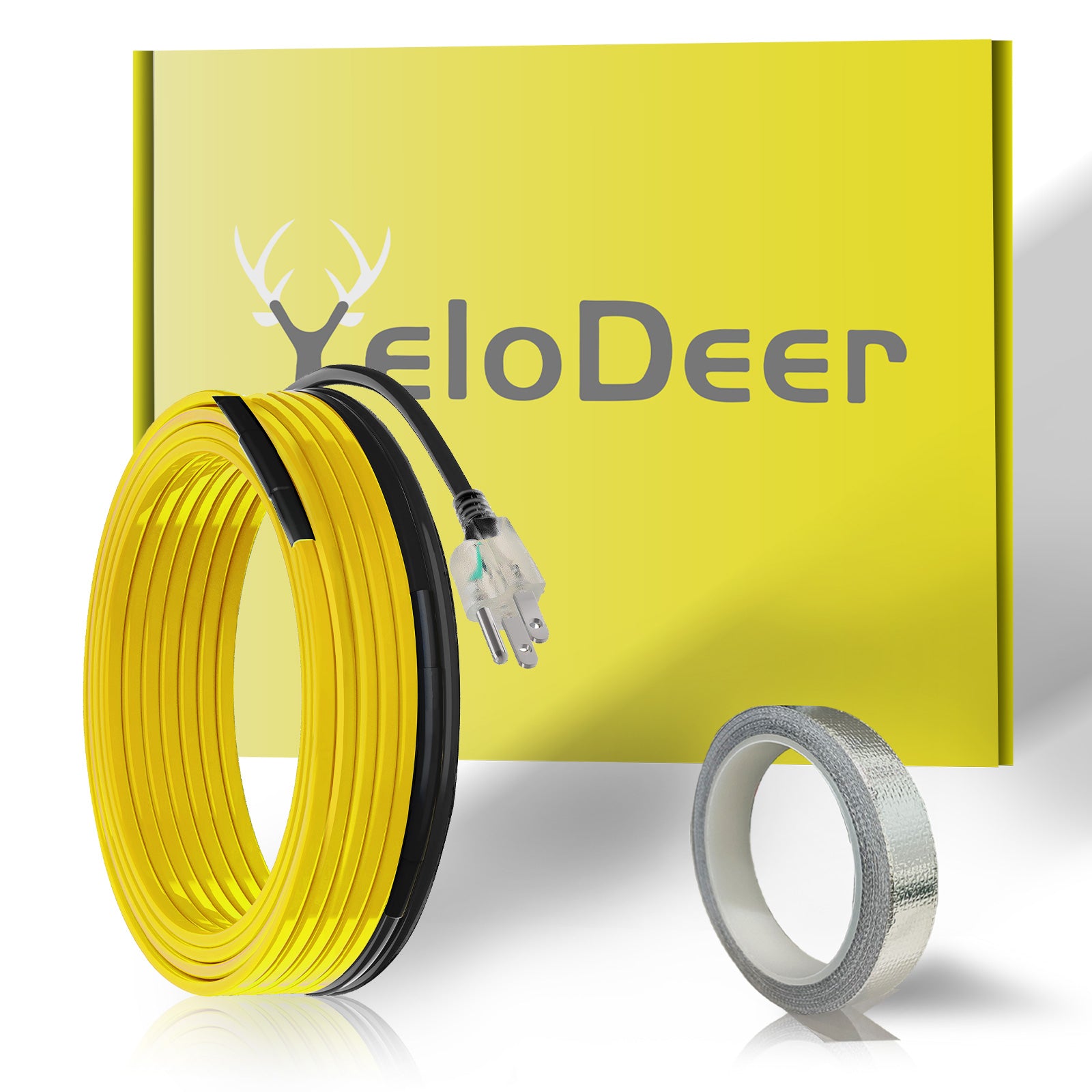
The YeloDeer In-Pipe Heating Cable Series is designed for internal water line freeze protection in suitable applications.
For buried supply lines, well line sections, seasonal cabins, rental properties, and hard-to-access water pipes, an in-pipe cable can help reduce freeze risk by placing heat closer to the water path.
Explore YeloDeer In-Pipe Heating CablesThe Electricity Cost Is Often Smaller Than Expected
For many property owners, one concern is operating cost. The actual electricity use may be modest for short vulnerable pipe sections.
For example, a 20-foot in-pipe heating cable rated at 3W/ft draws about 60W total.
This is only an example. Actual running cost depends on cable wattage, cable length, thermostat or control method, outdoor temperature, runtime, local electricity rate, insulation, and installation conditions.
Even with real-world variation, prevention is often far more affordable than dealing with a burst pipe, restoration crews, mold concerns, and insurance paperwork.
High-Risk Pipes Most Likely to Cost You Money
If you manage a home, rental property, cabin, farm building, or commercial facility, pay special attention to pipes in cold zones. These are often the sections that freeze first.
External Heating Cable vs. In-Pipe Heating Cable
Not every pipe needs the same freeze protection method. Choose based on access, pipe location, and application requirements.
| Pipe Situation | Best Starting Point | Why |
| Visible pipe in a basement, crawl space, garage, or utility room | External heating cable with insulation | The pipe is accessible, so external wrapping and insulation may be practical. |
| Buried well supply line or hard-to-access water line | In-pipe heating cable | Internal installation may place heat closer to the water path when external wrapping is not possible. |
| Pipe inside an exterior wall | Professional inspection | The best fix may involve insulation, air sealing, rerouting, or heat tracing depending on access. |
| Seasonal cabin or rental property | Winterization plus targeted freeze protection | Drain-down, insulation, heat tracing, and monitoring may all be part of the plan. |
Customer note: before installing any heating cable, confirm pipe material, pipe diameter, cable length, potable water rating, pressure rating, voltage, GFCI protection, and local plumbing or electrical requirements.
Why Prevention Is the Better Investment
Freeze prevention is not only about avoiding a plumbing bill. It is about protecting the entire property from water damage.
FAQ
How much does a burst pipe cost to repair?
A simple pipe repair may cost a few hundred to a few thousand dollars, but the total recovery cost can be much higher if water damages drywall, flooring, cabinets, furniture, or stored belongings.
Does insurance cover frozen pipe damage?
It depends on the policy and circumstances. Some policies may cover sudden and accidental water damage, but they may also require adequate heat, proper maintenance, or winterization. Always review your own policy and speak with your insurance provider.
Is pipe insulation enough to prevent freezing?
Pipe insulation helps slow heat loss, but it does not generate heat. In severe cold or long freezes, vulnerable pipes may need active freeze protection such as a heating cable.
How much does a heating cable cost to run?
Running cost depends on wattage, length, runtime, controls, insulation, and local electricity rates. As an example, a 20-foot cable rated at 3W/ft running 8 hours per night for 120 days would use about 57.6 kWh.
When should I use an in-pipe heating cable?
An in-pipe heating cable may be useful for buried water lines, well supply lines, and hard-to-access pipe sections where external heating cable is not practical and the pipe is compatible with internal cable installation.
Can a heating cable guarantee that pipes will never freeze?
No. A properly selected and installed heating cable can help reduce freeze risk, but performance depends on pipe layout, insulation, weather, power availability, installation quality, controls, and maintenance.
The Bottom Line
A burst pipe is rarely just a plumbing problem. It can become a water damage, mold, insurance, and property disruption problem very quickly.
Insurance may help in some cases, but it is not a substitute for maintenance and freeze prevention. Deductibles, exclusions, documentation requirements, and premium changes can still create financial stress.
For vulnerable pipes, especially buried water lines, well lines, crawl spaces, exterior wall pipes, unheated garages, and seasonal properties, planning ahead is usually the smarter investment.
YeloDeer in-pipe heating cables and pipe freeze protection solutions can help reduce frozen pipe risk when properly selected and installed as part of a broader winter protection plan.
Protect Your Pipes Before the Next Cold Snap
Need help choosing a freeze protection solution for a home, rental property, cabin, well line, or commercial facility? Tell us your pipe size, pipe material, line length, installation location, and expected winter temperature. The YeloDeer team can help you review a suitable option.
Browse YeloDeer In-Pipe Heating Cables Contact YeloDeer