What Are You Trying to Protect?

Start with your application. Find guides for the pipes, drains, roofs, and winter problem areas you need to protect.

Outdoor Water Pipes

Find guides for protecting exposed outdoor water pipes, hose bibs, supply lines, and other above-ground pipes from freezing weather.

Crawl Space & Basement Pipes

Learn how to protect pipes in crawl spaces, basements, garages, and other unheated areas where freezing temperatures can cause damage.

Cabin & Seasonal Home Water Lines

Explore freeze protection guides for cabins, lake houses, vacation homes, and seasonal properties that may sit unused during winter.

RV Winter Protection

Find guides for protecting RV sewer hoses, water tanks, water lines, underbelly areas, and camper systems during cold-weather travel or winter camping.

Sump Pump Discharge Lines

Learn how to help prevent sump pump discharge lines from freezing, blocking water flow, or causing winter backup problems.

Condensate & Drain Lines

Explore guides for HVAC condensate drains, furnace drains, French drains, gray water lines, and other low-pressure drainage systems.

Roof Edges, Gutters & Downspouts

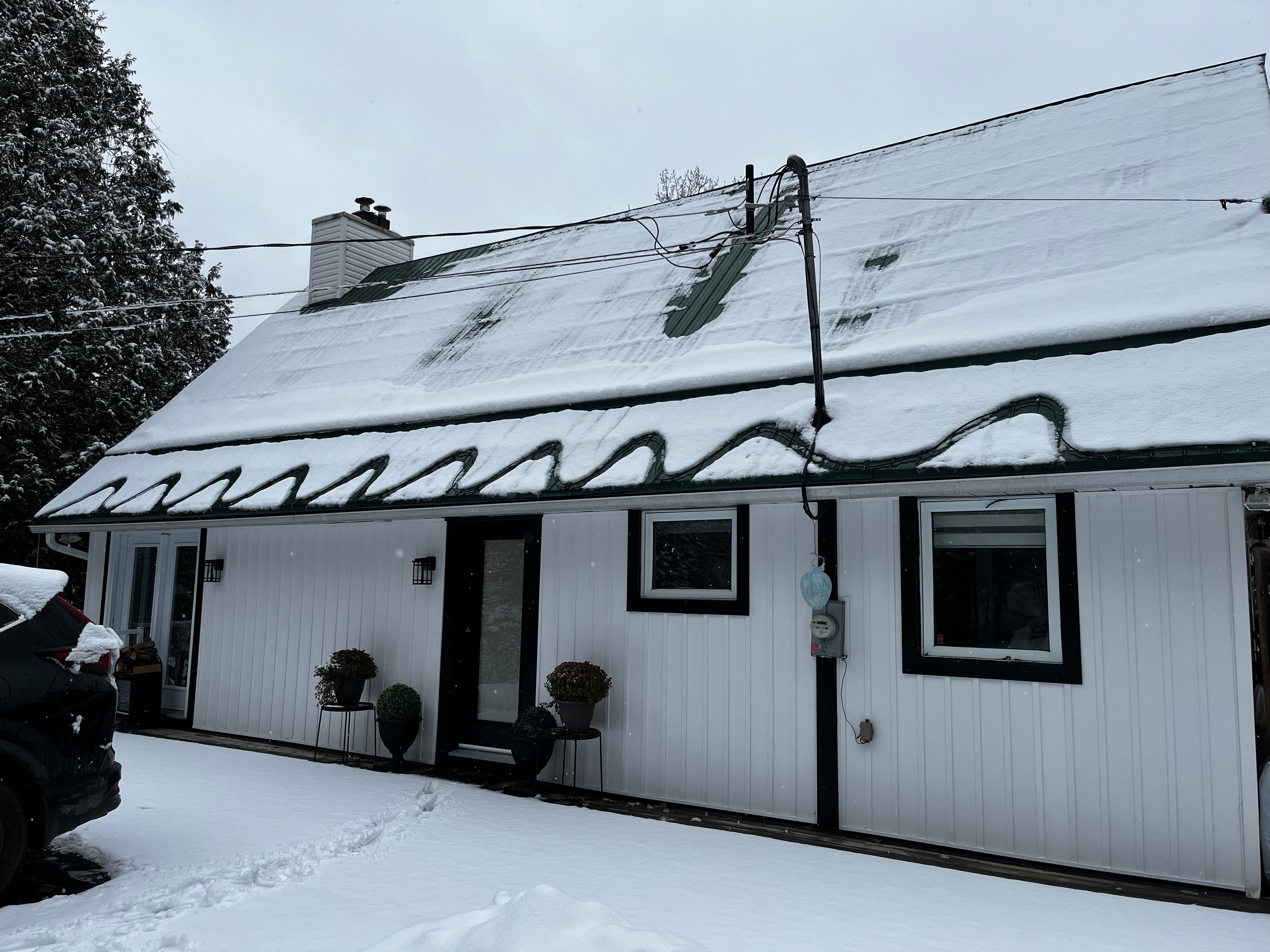
Find roof and gutter de-icing guides for roof edges, gutters, downspouts, ice dams, and winter meltwater paths.

Flat Roof Drains

Explore solutions for commercial flat roof drains, low-slope roof drainage systems, and rooftop ice buildup around drain openings.

Explore by Product & Solution

Browse YeloDeer guides by product type, heating cable system, controller, or project need.

In-Pipe Heating Cable

Find guides for in-pipe heating cable selection, installation, fittings, pipe compatibility, and water line freeze protection.

In-Drain Heating Cable

Explore heating cable solutions for drain lines, sewer lines, sump discharge pipes, condensate drains, and other drainage applications.

External Pipe Heating Cable

Learn about external pipe heat cable options for exposed water pipes, crawl spaces, basements, garages, and outdoor pipe freeze protection.

Roof & Gutter De-Icing Cable

Learn how roof and gutter de-icing cables help reduce ice dams, frozen gutters, frozen downspouts, and winter roof drainage issues.

Thermostats & Controllers

Explore guides for pipe thermostats, roof de-icing controllers, freeze protection outlets, sensors, and temperature control options.

Heaters & Heating Blankets

Find guides for drum heaters, heating blankets, portable heating products, and cold-weather temperature maintenance applications.

Portable Diesel Heater

Find guides for portable diesel heaters, off-grid heating, camping heat, temporary buildings, vehicle heating, and cold-weather outdoor applications.

Contractor Projects

Find resources for bulk heating cable, custom lengths, contractor projects, commercial applications, and project-based freeze protection.

Installation & Troubleshooting Help

Find installation tips, layout guidance, wiring help, and troubleshooting articles for YeloDeer heating cables and controllers.

Pipe Heating Installation

Get help with external pipe heat cable installation, pipe insulation, cable placement, sensor position, and winter pipe protection setup.

In-Pipe Cable Installation

Learn about in-pipe heating cable installation, T-fittings, Y-fittings, adapters, pipe entry points, and cable insertion tips.

Drain Heating Installation

Find installation guidance for sump discharge lines, condensate drains, sewer lines, French drains, and other drainage applications.

Roof Cable Layout

Explore roof de-icing layout tips for roof edges, gutters, downspouts, clips, spacers, and common cable routing patterns.

Controller Setup & Wiring

Get help with thermostat setup, sensor placement, wiring basics, voltage selection, WiFi control, and controller operation.

Common Troubleshooting

Find answers for common issues such as heat cable not heating, GFCI tripping, controller problems, sensor errors, and installation mistakes.

See How Customers Use YeloDeer

Real Customer Projects

Case Study: Custom 237ft In-Pipe Heating Solution for Septic Mound Systems

    Case Study: Custom 237ft In-Pipe Heating Solution for Septic Mound Systems

    This case study details a robust solution for a frozen 237ft septic discharge line in Hudson, Wisconsin. Faced with extreme sub-zero temperatures and a pressurized lift station, the homeowner implemented...

    May 27, 2026YeloDeer
    Read more
    Case Study: Solving Freeze Issues in Shallow Buried Condensate Lines with Complex Geometries

      Case Study: Solving Freeze Issues in Shallow Buried Condensate Lines with Complex Geometries

      This technical case study demonstrates how to protect a shallow-buried condensate line using an internal heating solution, focusing on cost-efficiency and navigating complex pipe geometries.

      Apr 3, 2026YeloDeer
      Read more
      "Active Heating + Passive Insulation" Strategy Saved Tropical Plants and a Porch Pond Through a Hard Freeze

        "Active Heating + Passive Insulation" Strategy Saved Tropical Plants and a Porch Pond Through a Hard Freeze

        This case study demonstrates the effectiveness of combining YeloDeer Trimmable Heating Blankets with agriculture cloth to protect tropical plants and maintain a 70°F porch pond during freezing winter conditions.

        Apr 1, 2026YeloDeer
        Read more
        Propane Savings Decoded: How One RVer Cut Consumption by 50% with YeloDeer

          Propane Savings Decoded: How One RVer Cut Consumption by 50% with YeloDeer

          This case study demonstrates the dramatic efficiency gains of using the YeloDeer Bee Blanket on 35 lbs LP tanks during extreme winter camping. By maintaining optimal vaporization temperatures, the customer...

          Mar 22, 2026YeloDeer
          Read more

          Quick Answers

          Find clear answers to common questions about pipe freeze protection, heat cables, thermostats, installation, and custom project support.

          The best way to protect water pipes from freezing is to combine proper pipe insulation with a suitable heat cable or pipe heating solution. For exposed outdoor pipes, crawl spaces, garages, basements, cabins, and well water lines, heat cable helps provide active freeze protection when temperatures drop.

          The right solution depends on your pipe location, pipe material, pipe size, power supply, and whether the pipe can be wrapped from the outside or needs an in-pipe heating cable installed from the inside.

          In most pipe freeze protection applications, yes. Pipe insulation helps keep the heat around the pipe, improves freeze protection, and reduces unnecessary energy use.

          Heat cable provides the heat, while insulation helps hold that heat where it is needed. For outdoor pipes, crawl spaces, garages, well houses, and other cold areas, using heat cable without insulation may reduce performance in freezing weather.

          An external heat cable is installed on the outside of the pipe and is often used for exposed or accessible water pipes. It is usually paired with pipe insulation for better performance.

          An in-pipe heating cable is installed inside the water line and is useful when the pipe is buried, difficult to wrap, or needs internal freeze protection. In-pipe cable is commonly used for pressurized water supply lines, cabins, well water lines, and seasonal homes.

          If you are not sure which type fits your application, check whether your pipe can be accessed from the outside and whether there is a suitable pipe entry point for an in-pipe cable.

          Yes, but it depends on the type of heat cable.

          Self-regulating heat cable is generally suitable for PVC and PEX pipes because it automatically reduces its heat output as temperatures rise. Most self-regulating cables have a maximum exposure temperature of about 60°C (140°F), which is typically safe for these pipe materials when installed correctly.

          Constant wattage heat cable continuously produces heat and may create excessive temperatures for plastic pipes, so it is generally not recommended for PVC or PEX applications.

          Proper installation and pipe insulation are also important for safe and effective freeze protection. If you are unsure which cable is right for your pipe, contact YeloDeer with your pipe type and installation details before ordering.

          No. Self-regulating heat cable adjusts its heat output based on the surrounding temperature, but it does not fully turn itself off.

          In colder areas, it increases heat output. In warmer areas, it reduces heat output. To fully stop heating, the cable must be unplugged or controlled by a compatible thermostat or controller.

          For long-term winter use, a thermostat or controller is recommended for more convenient temperature-based operation and better energy management.

          Measure the full length of the pipe, drain, gutter, downspout, or roof area that needs freeze protection. Do not guess the length or choose a much longer cable than needed.

          For pipe applications, include the full freeze-prone section. For roof and gutter applications, consider roof edge length, gutter length, downspout height, and layout pattern. For in-pipe cable, make sure the cable path is clear and the fittings have enough inner opening for installation.

          For custom lengths, long runs, or complex layouts, contact YeloDeer before ordering.

          A thermostat or controller is not always required, but it is often recommended. It helps turn the heating system on and off based on temperature or operating conditions instead of leaving the cable powered continuously.

          A controller can improve convenience, reduce unnecessary energy use, and make the system easier to manage during winter. For roof de-icing, pipe heating, floor heating thermostats, and custom projects, choosing the right controller depends on the product type, voltage, load, and installation environment.

          Yes. YeloDeer can help with custom lengths, bulk cable orders, contractor projects, commercial applications, and special freeze protection layouts.

          To help us review your project, please send your pipe size, required cable length, voltage requirement, installation photos, application details, and any special project needs to yelodeer@yelodeer.com. Our team will help you choose a suitable solution.

          Need Help Choosing the Right Solution?

          Not sure which YeloDeer product fits your application?

          Send us your pipe size, cable length, voltage requirement, installation photos, and project details.

          Our team can help you review your setup and recommend a suitable solution.

          Pipe size or application typeRequired cable lengthVoltage requirementInstallation photos or project details
          YD-roof2_a3ec460a-3800-4bd4-9f06-25e6dbca4673.jpg