Enjoy free shipping on orders over $30.
We ship orders within 48 hours for quick delivery.
1. Our website accepts Visa, MasterCard, and American Express. If you are using a card issued by another bank, please ensure it is enabled for international transactions.
2. During payment, you may be required to complete 3D Secure (3DS) verification. Please ensure that the cardholder completes the verification to avoid payment failure.
3. If your usual spending amounts are relatively low and you are making a larger purchase, your bank may flag the transaction as a potential risk. If your payment fails, please contact your bank to approve the transaction.
Ground Thawing Heated Blanket for Frozen Soil & Concrete Curing
Overview
YeloDeer Ground Thawing Heated Blanket
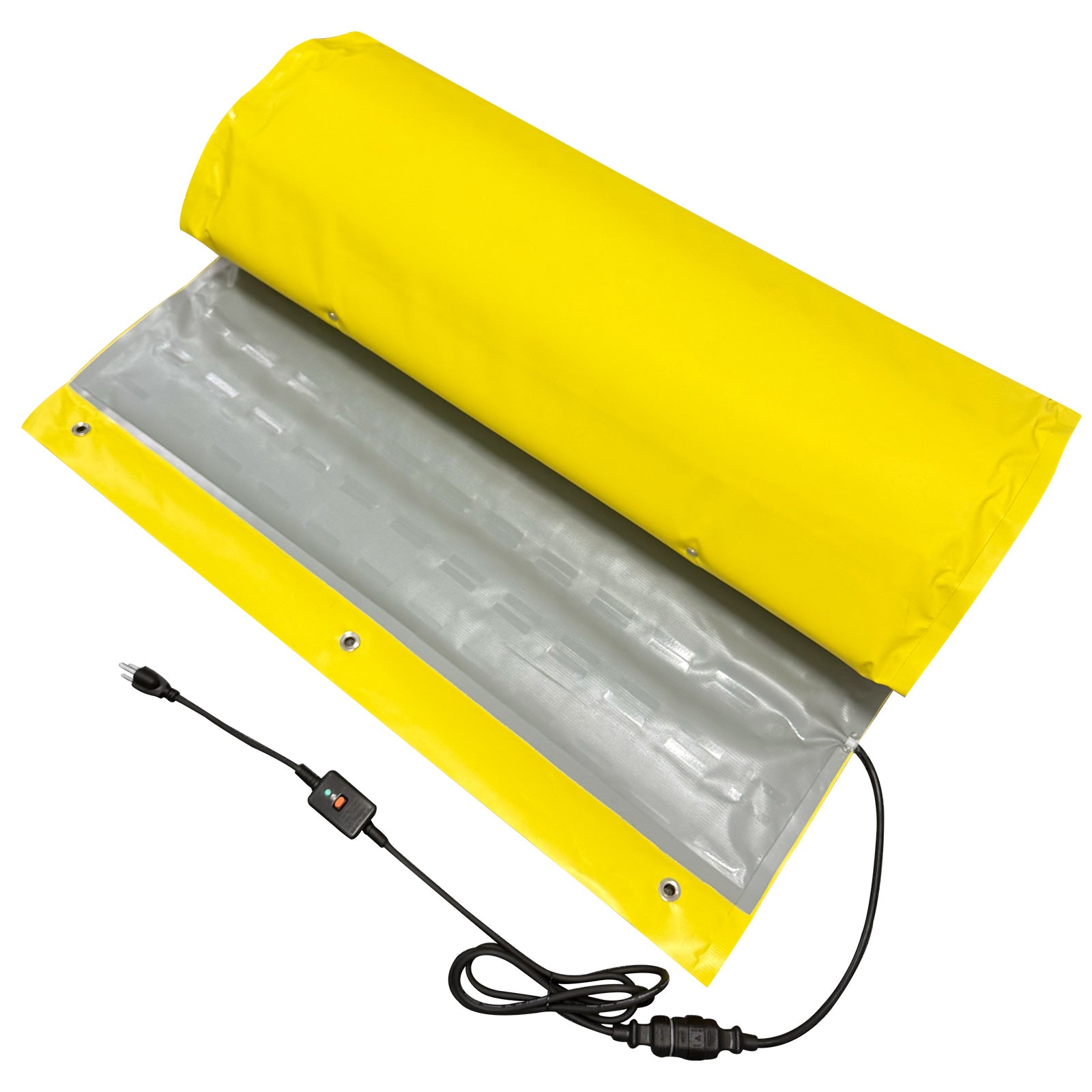
The YeloDeer Ground Thawing Heated Blanket is a construction-grade electric thawing blanket designed for frozen ground thawing, cold-weather concrete curing support, temporary snow and ice removal, and winter jobsite heating.
It helps contractors, utility crews, plumbers, concrete teams, maintenance crews, farms, and property owners keep work moving when frozen soil, ice buildup, or low temperatures would normally slow down digging, trenching, repairs, or concrete work.
Use it to warm frozen ground before excavation, prepare trench lines, support cold-weather concrete curing, melt snow and ice on compatible surfaces, and maintain workable temperatures around jobsite materials, equipment areas, cables, pipes, and other suitable outdoor surfaces.
Built for harsh outdoor use, this electric thawing blanket is weather-resistant and suitable for demanding winter jobsite conditions when used correctly. It is not designed for submersion, standing water, flammable environments, or permanent snow-melting installation.
Quick Fit Snapshot
Key Benefits
Best For
Important Before You Order
This is a professional electric thawing blanket, not an instant melting tool.
Frozen ground, thick ice, full tanks, deeply frozen materials, or large outdoor areas may require extended heating time. Performance depends on outdoor temperature, frost depth, soil type, moisture level, wind exposure, blanket wattage, surface material, and how flat the blanket contacts the target area.
Applications
Frozen Ground Thawing
Frozen ground can slow down excavation, trenching, foundation work, utility repair, plumbing work, drainage installation, and winter construction. The YeloDeer Ground Thawing Heated Blanket helps warm frozen soil before digging or drilling, making it easier to prepare the work area.
Concrete Curing Support
Cold weather can slow concrete curing and increase project risk if fresh concrete is not properly protected. This electric thawing blanket helps maintain warmth around fresh concrete during cold-weather curing.
Always follow your project’s concrete curing requirements, jobsite temperature guidelines, and local construction practices. This blanket supports warmth and curing conditions, but it does not replace proper concrete mix design, curing procedures, or professional judgment.
Temporary Snow & Ice Removal
The blanket can help melt snow and ice on compatible outdoor surfaces where temporary access, maintenance, or work preparation is needed.
Utility, Pipe & Drainage Work
Cold weather can make repair work more difficult when the ground above pipes, drains, or underground utilities is frozen. Use the blanket to help warm the surface before access work begins.
For direct pipe, tank, or equipment use, always confirm the surface material, temperature tolerance, and surrounding environment are suitable for electric blanket heating.
Cable, Equipment & Material Warming
Cold weather can make cables, hoses, and some construction materials stiff or difficult to handle. This heated blanket can help maintain workable temperatures around compatible materials and equipment areas.
Do not use the blanket on combustible materials or materials that may melt, deform, ignite, or trap heat.
Specifications
Available Sizes & Power Options
| Coverage Size | Metric Size | Voltage | Wattage | Best For |
| 3.3 × 4.0 ft | 1.0 × 1.2 m | 120V | 400W | Small thawing spots, compact work areas, small concrete repairs, localized ice removal. |
| 3.3 × 9.8 ft | 1.0 × 3.0 m | 120V | 1000W | Narrow trench prep, walkways, utility repair areas, medium jobsite zones. |
| 3.3 × 16.4 ft | 1.0 × 5.0 m | 120V | 1500W | Longer trench lines, larger thawing areas, extended walkways, broader concrete curing support. |
| 3.3 × 32.8 ft | 1.0 × 10.0 m | 240V | 3000W | Extended jobsite thawing, larger professional work zones, long trench preparation, broader surface heating. |
Choosing the Right Size
Power Source Notes
Use only a properly rated power source. Do not connect the blanket to an undersized extension cord, damaged outlet, incorrect voltage, or unsafe electrical setup.
Product Features
Performance Expectations
Thawing and heating performance depends on outdoor temperature, wind exposure, frost depth, soil type, moisture level, snow or ice thickness, surface material, blanket wattage, blanket size, contact area, and how flat the blanket lies on the surface.
For best results, clear loose snow, ice chunks, sharp objects, and debris before placing the blanket. Keep the blanket flat and allow enough time for heat to transfer into the surface.
Installation
Important Safety Notes
Basic Setup
- Clear the work area of sharp objects, combustible materials, loose debris, fuel, and oily residue.
- Remove loose snow or large ice chunks when practical.
- Place the blanket flat over the target thawing, curing, or heating area.
- Make sure the blanket is not folded, wrinkled, bunched, covered, or overlapped.
- Keep the cord and electrical connection protected from standing water.
- Connect to a suitable power source with proper voltage and circuit capacity.
- Monitor the first heating cycle to confirm safe operation.
- Check progress periodically.
- After use, unplug the blanket and allow it to cool before moving, rolling, or storing.
For Better Results
Cleaning & Storage
When Not to Use This Product
- On combustible materials
- In explosive, flammable, or hazardous environments
- Over fuel, oil, straw, dry leaves, paper, plastic, rubber, or wood
- While folded, rolled, bunched, creased, covered, or overlapped
- Under extra insulation, tarps, boards, or materials that trap heat
- In standing water or submerged conditions
- If the cord, plug, surface, or heating area is damaged
- On surfaces that cannot tolerate heat
- As a permanent snow-melting system
- Under vehicle traffic or foot traffic while powered
- With the wrong voltage or an undersized power source
FAQ
Product Basics
What is a ground thawing heated blanket?
A ground thawing heated blanket is a portable electric heating blanket used to warm frozen soil, support cold-weather concrete curing, melt temporary snow and ice buildup, and provide jobsite heat for compatible materials or surfaces.
Is this the same as a concrete curing blanket?
It is related, but not exactly the same. A concrete curing blanket is mainly used to help retain heat around fresh concrete. The YeloDeer Ground Thawing Heated Blanket is a powered electric blanket that can support concrete curing while also being used for frozen ground thawing, trench prep, temporary snow and ice removal, and other jobsite heating tasks.
Who is this product designed for?
It is designed for contractors, excavation crews, utility teams, plumbers, concrete and masonry workers, municipal maintenance crews, farm maintenance teams, property managers, and experienced property owners who need portable electric heat in cold outdoor conditions.
Is this a professional-grade product?
Yes. This is a construction-grade electric thawing blanket designed for winter jobsite preparation, frozen ground thawing, concrete curing support, and temporary outdoor heating tasks.
Ground Thawing & Construction Use
Can it thaw frozen ground before digging?
Yes. Place the blanket flat over the frozen area to help warm and soften the soil before digging, trenching, drilling, or excavation work.
How long does it take to thaw frozen ground?
Thawing time depends on outdoor temperature, frost depth, soil type, moisture level, wind exposure, blanket wattage, blanket size, and surface contact.
Shallow frost may soften faster, while deeply frozen soil may require extended heating time.
Can I use it for trench preparation?
Yes. It is useful for warming narrow trench lines, utility repair areas, water line access zones, drainage work, and other frozen soil areas before digging.
Can it thaw ground under concrete or asphalt?
This depends on the thickness, material, frost depth, and jobsite conditions. Heating through concrete or asphalt is usually slower and less predictable than direct ground contact. Always evaluate the application before use.
Concrete Curing
Can I use it for concrete curing?
Yes. The blanket can help maintain warmth around fresh concrete during cold-weather curing. It is suitable for slabs, footings, sidewalks, pavements, masonry work, and small to medium outdoor concrete projects.
Can I pour concrete on frozen ground if I use this blanket?
The blanket can help warm frozen ground before a pour, but concrete work must still follow proper cold-weather concrete practices. Do not rely on the blanket alone to replace jobsite preparation, mix design, curing procedures, or professional concrete requirements.
Does it guarantee concrete strength or prevent cracking?
No. The blanket supports more favorable curing conditions by adding warmth, but concrete performance depends on mix design, placement, curing method, weather, moisture, temperature control, and jobsite procedures.
Snow, Ice & Outdoor Use
Can it melt snow and ice?
Yes. It can help melt snow and ice on compatible non-combustible outdoor surfaces. It is best used as a temporary heating tool for jobsite access, walkways, stairs, work areas, and maintenance zones.
Is this a permanent snow-melting mat?
No. This is a portable electric thawing blanket for temporary use. It is not designed for permanent installation, burial, continuous traffic, or fixed snow-melting systems.
Can I leave it outside in rain or snow?
The blanket is weather-resistant for outdoor jobsite use, but electrical connections must stay dry and protected. Do not submerge the blanket or use it in standing water.
Can people walk on it while it is heating?
No. Do not walk, drive, or place heavy equipment over the blanket while it is powered on. This may damage the heating components and create a safety risk.
Size, Power & Setup
What size should I choose?
Choose based on the area you need to thaw or heat. Use the 3.3 × 4.0 ft model for small spots, the 3.3 × 9.8 ft model for narrow trench lines or walkways, the 3.3 × 16.4 ft model for longer work zones, and the 3.3 × 32.8 ft model for larger professional areas where 240V power is available.
Can I use multiple blankets together?
Yes. Multiple blankets can be placed side by side to cover a larger area. They must never overlap while powered on.
Can the blanket be folded or rolled while heating?
No. The blanket must stay flat during operation. Do not fold, roll, bunch, crease, wrinkle, or overlap it while it is plugged in or heating.
Can I cover the blanket with a tarp or insulation?
No. Do not cover the blanket with tarps, boards, extra insulation, plastic sheets, or other materials that may trap heat. This may cause unsafe heat buildup.
Does it have overheat protection?
Yes. Built-in overheat protection helps reduce the risk of unsafe temperature buildup during proper operation.
What power source do I need?
Use the correct voltage and a properly rated circuit. The 120V models require a suitable 120V power source. The 240V model requires a suitable 240V power source. Always confirm the circuit capacity, plug configuration, and electrical protection before use.
Maintenance & Safety
How do I clean the blanket?
Unplug the blanket and allow it to cool completely. Wipe the surface with a damp cloth. Do not immerse it in water, pressure wash it, or use harsh chemicals.
How should I store it?
Roll it loosely and store it indoors in a clean, dry area away from sharp tools, chemicals, fuel, rodents, sunlight, and heavy objects.
What should I check before each use?
Inspect the blanket surface, power cord, plug, and heating area. Do not use it if there are cuts, punctures, exposed wires, damaged electrical parts, crushed areas, or signs of unsafe wear.
Can I use it on tanks, pipes, or equipment?
Possibly, but only if the surface material, temperature tolerance, shape, and surrounding environment are suitable for electric blanket heating. Do not use it on combustible, heat-sensitive, plastic, fuel-related, or hazardous surfaces unless the application has been properly evaluated.
Can I customize the size or order in bulk?
Custom sizes and bulk order options may be available. For project support, email yelodeer@yelodeer.com with your required size, application, quantity, voltage needs, and jobsite details.
Guides
Winter Jobsite Heating Guide: Frozen Ground, Concrete Curing, Snow, Ice & Material Warming
Cold weather can affect more than comfort on a jobsite. Frozen ground can slow excavation, fresh concrete can become harder to protect, cables and hoses can become stiff, snow and ice can block access, and outdoor repair work can take longer than expected.
This guide explains common winter jobsite problems, how contractors usually deal with them, and where a portable electric ground thawing heated blanket fits into the solution.
This guide is for general product-selection and jobsite planning only.
Always follow local codes, electrical safety requirements, concrete curing practices, jobsite safety rules, and professional engineering guidance for your project.
Quick Answer Blocks for Common Search Questions
Why Frozen Ground Causes Construction Delays
Frozen ground can turn a simple winter job into a slow and expensive project. When soil freezes, moisture inside the ground turns to ice. This can make the surface hard, reduce digging efficiency, increase equipment strain, and delay trenching, repair, foundation, and concrete preparation work.
For contractors, the real problem is not just frozen soil. It is the lost time around excavation, utility repair, concrete placement, outdoor access, and jobsite preparation. A portable electric thawing blanket helps address smaller or medium-sized frozen areas without bringing in larger ground thawing equipment.
How to Thaw Frozen Ground Before Digging
There are several ways to deal with frozen ground. The right method depends on the size of the area, frost depth, jobsite access, power availability, budget, weather, and how quickly the work must be done.
| Method | Best For | Advantages | Limitations |
| Electric Ground Thawing Blanket | Small to medium thawing areas, trench prep, repair spots, concrete curing support, temporary snow and ice removal. | Portable, simple setup, no fuel, useful for targeted areas, good for maintenance and repair work. | Requires proper power source. Thawing speed depends on frost depth, soil type, weather, and surface contact. |
| Hydronic Ground Heater | Large jobsites, deeper frost, broad ground thawing, professional winter construction projects. | High heat output, large coverage, suitable for major construction work. | Higher equipment cost, more setup time, fuel or boiler system required, less convenient for small repair zones. |
| Steam or Hot Water Thawing | Specific frozen lines, drains, or localized thawing tasks handled by trained crews. | Can be effective for certain pipe or utility situations. | Requires equipment, operator skill, moisture management, and safety precautions. |
| Mechanical Breaking | Hard frozen surface removal when heating is not practical. | Fast surface disruption in some conditions. | Can damage nearby surfaces or utilities, increases labor and equipment wear, may not fully solve deep frost. |
| Insulation Blanket Only | Preventing heat loss, protecting recently warmed ground, or supporting concrete curing. | Simple and low power because it does not generate heat. | Does not actively thaw frozen ground by itself. |
For many contractors, the practical choice is not one method for every job. Large projects may need hydronic thawing equipment, while small repairs, narrow trench lines, walkways, and concrete patches may be better served by a portable electric thawing blanket.
Electric Thawing Blanket vs. Hydronic Ground Heater
Both electric thawing blankets and hydronic ground heaters are used to deal with frozen ground, but they are not the same type of solution.
How to Use a Ground Thawing Blanket for Trench Prep
Trench preparation is one of the most practical uses for a ground thawing blanket. Utility crews, plumbers, drainage teams, electricians, telecom installers, and excavation contractors often need to work in a narrow path rather than a large square area.
- Mark the planned trench line or repair area.
- Clear loose snow, large ice chunks, sharp debris, and combustible materials.
- Place the thawing blanket flat over the planned work zone.
- Use a longer blanket for trench-style coverage or place multiple blankets side by side without overlap.
- Protect electrical connections from standing water and wet areas.
- Allow enough time for heat to transfer into the ground.
- Check the ground periodically before digging.
- Unplug and cool the blanket before moving it.
Never overlap blankets to create more heat. Overlapping can cause unsafe temperature buildup and may damage the blanket.
Can You Pour Concrete on Frozen Ground?
Frozen ground is a serious concern for cold-weather concrete work. If the base below fresh concrete is frozen, uneven, icy, or unstable, the concrete project may face curing and settlement problems. Before pouring, the work area should be properly prepared according to the project requirements.
A heated thawing blanket can help warm the ground before concrete placement and can also help maintain warmth around fresh concrete during cold-weather curing support. It is useful for slabs, footings, sidewalks, pavement repairs, masonry work, and small to medium outdoor pours.
Concrete Curing Blanket vs. Ground Thawing Heated Blanket
The terms “concrete curing blanket” and “ground thawing heated blanket” are sometimes used together, but they can mean different things.
| Product Type | What It Does | When to Use It |
| Insulated Concrete Curing Blanket | Helps retain heat and reduce heat loss from fresh concrete. | Concrete curing protection when active electric heat is not required. |
| Electric Concrete Curing Blanket | Adds electric heat to help maintain warmth around fresh concrete. | Cold-weather concrete work where powered heat support is needed. |
| Ground Thawing Heated Blanket | Adds electric heat for frozen ground thawing, trench prep, concrete curing support, and temporary surface heating. | Winter jobsites that need one portable blanket for multiple heating tasks. |
The YeloDeer Ground Thawing Heated Blanket is a powered electric blanket. It can support concrete curing while also helping with frozen ground, trench prep, temporary snow and ice removal, and compatible material warming.
How Long Does It Take to Thaw Frozen Ground?
There is no single thawing time that applies to every jobsite. Ground thawing depends on the frost depth, soil type, moisture level, outdoor temperature, wind, snow cover, surface contact, blanket wattage, and how much area needs to be warmed.
A high-output electric thawing blanket works best when it lies flat and evenly across the target surface. Air gaps, folds, wrinkles, debris, or uneven contact can reduce heat transfer.
What Size Ground Thawing Blanket Do You Need?
Choose the blanket size based on the shape of the work area, not just the total square footage. A small repair spot, a narrow trench line, a walkway, and a larger concrete work area may all need different blanket shapes.
120V vs. 240V Ground Thawing Blankets
Voltage matters because larger blankets require more power. Smaller and medium blankets are often easier to use with suitable 120V jobsite power. Larger blankets may require 240V to deliver higher wattage more efficiently.
| Voltage | Typical Use | Planning Notes |
| 120V | Small to medium thawing areas, repair spots, walkways, trench prep, concrete patches. | Confirm outlet rating, circuit capacity, extension cord rating, and electrical protection. |
| 240V | Larger professional work zones, extended thawing areas, long trench lines, higher-wattage jobsite heating. | Requires a suitable 240V power source and proper electrical setup. Confirm plug and circuit compatibility before use. |
Never connect a thawing blanket to the wrong voltage. Incorrect voltage or undersized power supply can create safety risks and damage the product.
Temporary Snow and Ice Removal: What This Blanket Can and Cannot Do
A ground thawing heated blanket can help remove temporary snow and ice buildup on compatible non-combustible surfaces. This can be useful for work zones, stairs, walkways, loading areas, maintenance areas, and outdoor access points.
However, it should not be treated as a permanent snow melting system. It is not intended to be buried, fixed in place, driven over, walked on while powered, or used as a continuous traffic surface.
Can You Use a Thawing Blanket on Pipes, Tanks, or Equipment?
Some users search for heating blankets for pipes, tanks, cable drums, machinery, and outdoor equipment. A flexible electric blanket may be useful in certain compatible situations, but the application must be evaluated carefully.
For pipe freeze protection, tank heating, or equipment heating that requires continuous or fixed installation, a dedicated heating cable, pipe heat tape, tank heater, or engineered heat trace system may be more appropriate.
Material Warming on Winter Jobsites
Cold weather can make construction materials harder to use. Sand, gravel, cable drums, hoses, and outdoor supplies may become stiff, frozen, clumped, or difficult to handle. A heated blanket can help maintain more workable temperatures when the material and surface are compatible with electric heat.
10 Common Ways to Deal With Frozen Ground
Users often search for practical ways to deal with frozen ground before construction, repair, or outdoor maintenance work. The best solution depends on job size, urgency, weather, power availability, and safety requirements.
| Option | Typical Use | Best Fit |
| 1. Electric Ground Thawing Blanket | Portable electric heat for frozen ground, trench prep, concrete curing support, and temporary snow or ice removal. | Small to medium work zones and targeted heating. |
| 2. Hydronic Ground Heater | Circulates heated fluid through hoses to warm larger areas. | Large commercial winter construction jobs. |
| 3. Insulated Blankets | Retain existing heat or protect ground and concrete from further freezing. | Prevention and heat retention, not fast active thawing. |
| 4. Heated Enclosure or Temporary Tent | Creates a warmer work zone around the project area. | Concrete work, masonry, repairs, and protected outdoor tasks. |
| 5. Steam Thawing | Uses steam to thaw certain frozen areas or lines. | Specialized work handled by trained crews. |
| 6. Hot Water Thawing | Uses heated water for certain frozen utility or drainage situations. | Specific thawing tasks where water can be controlled. |
| 7. Mechanical Breaking | Breaks hard frozen ground using tools or machinery. | Surface disruption when heating is not practical. |
| 8. Snow and Ice Removal Before Heating | Clears loose snow and ice so heat can transfer more efficiently. | Improving thawing blanket performance. |
| 9. Scheduling Around Weather | Plans work during warmer windows when possible. | Non-urgent jobs with flexible deadlines. |
| 10. Prevention Before Freezing | Uses insulation, covering, or preheating before temperatures drop. | Reducing future thawing time and winter delays. |
Ground Thawing Blanket vs. Heat Tape vs. Heating Cable
Some users compare thawing blankets with heat tape or heating cable. They are all electric heating products, but they are designed for different jobs.
| Product | Main Purpose | Typical Use |
| Ground Thawing Blanket | Surface heating over a wider area. | Frozen ground, concrete curing support, trench prep, snow and ice removal, material warming. |
| Pipe Heat Tape | Pipe freeze protection or pipe thawing support. | Water pipes, drain lines, and exposed piping when product is designed for that application. |
| Self-Regulating Heating Cable | Longer heat trace runs with heat output that adjusts based on temperature. | Pipe freeze protection, roof de-icing, gutters, industrial heat tracing, and other compatible systems. |
If the job is to warm a surface area, choose a thawing blanket. If the job is to protect a pipe or long narrow route, a heating cable or heat tape may be the better product.
Common Mistakes When Using a Ground Thawing Blanket
What to Check Before Buying a Ground Thawing Blanket
Before choosing a thawing blanket, check the jobsite requirements first. This helps avoid choosing a blanket that is too small, underpowered, or incompatible with the available power source.
When a Ground Thawing Blanket Is Not the Right Solution
A portable electric thawing blanket is useful, but it is not the right tool for every winter problem.
Do not use a ground thawing blanket as a permanent snow melting system, a traffic-rated mat, a roof de-icing system, a hazardous-location heater, or a substitute for engineered concrete curing, pipe tracing, or industrial heating design.
For large commercial ground thawing, deeply frozen soil, continuous pipe freeze protection, roof and gutter de-icing, tank heating, or hazardous-area heating, choose a product specifically designed and approved for that application.
How YeloDeer Fits Into Winter Construction and Maintenance Work
The YeloDeer Ground Thawing Heated Blanket is designed for users who need portable, high-output electric heat for targeted outdoor work areas. It is most useful when the job requires flexible placement, temporary heating, and a practical alternative to waiting for warmer weather or bringing in larger heating equipment.
For custom sizes, bulk orders, or project-specific support, contact yelodeer@yelodeer.com with your application, required size, voltage, quantity, and jobsite details.
Common Questions
This FAQ section is compiled from real customer inquiries.
This product can be fully customized to your desired size to meet your specific needs. Additionally, bulk orders are eligible for extra discounts. For detailed information about customization options and discounts, please feel free to contact us via email at yelodeer@yelodeer.com.
If you have any other questions about this product, whether related to its design, installation, or application, feel free to ask directly in the QA section at the bottom of the page to get your answers.
You can also contact us via email at yelodeer@yelodeer.com.
We’re here to help!
Yes. It is designed for outdoor winter jobsite use and can withstand exposure to sun, wind, rain, snow, and hail. It should not be submerged in water, and the electrical connection area should always be kept dry and protected.
It is mainly used for frozen ground thawing, concrete curing, snow and ice melting, excavation preparation, driveway and walkway defrosting, cable warming, agricultural winter tasks, and compatible tank or material temperature maintenance.
The blanket is designed for extended heating applications, but it should be used with proper safety precautions. Keep it flat, never overlap it, keep it away from combustible materials, protect electrical connections from water, and inspect the setup regularly based on your jobsite conditions.
No. The internal heating structure is not designed to be repaired. If the blanket is cut, punctured, overheated, or electrically damaged, stop using it immediately and do not attempt to repair the internal components.
After unplugging and cooling, roll the blanket loosely and store it indoors in a dry location away from direct sunlight. Before using it again, inspect the blanket for damage, especially after long-term storage.